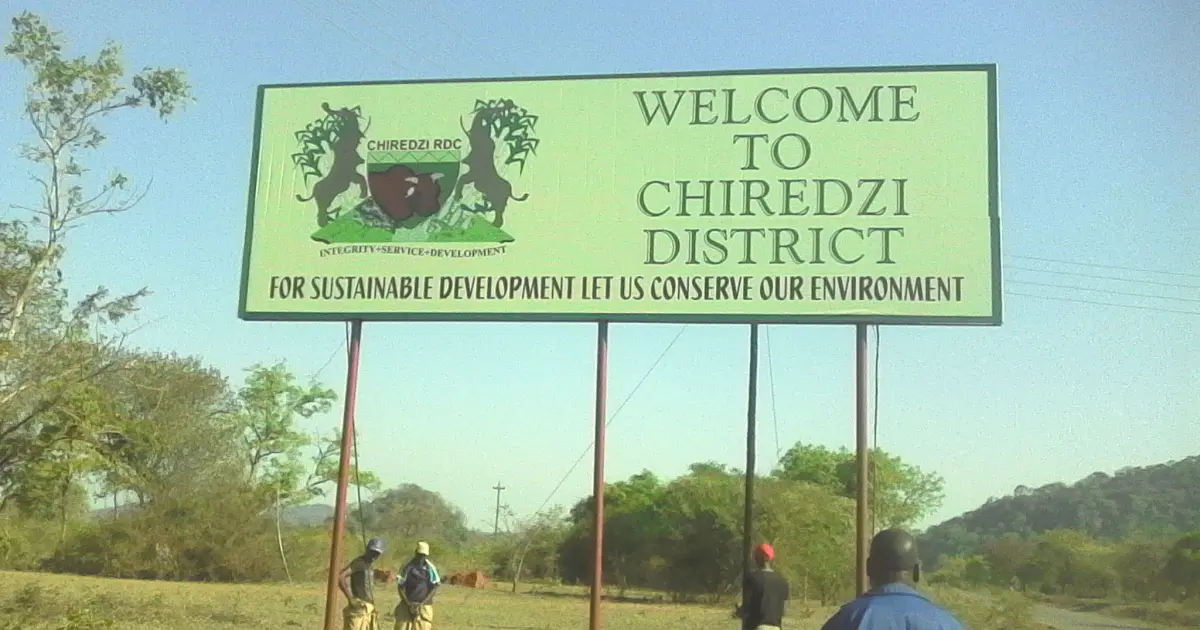
Chiredzi has run out of land to develop. According to the Daily News, Chiredzi Town Council says all available land inside the town's boundaries has been used. Future growth now depends on Government approving a new master plan that would unlock about 6,000 hectares. If approved, that land could open up space for housing, industry and services.
For homebuyers, developers, landlords and Zimbabweans abroad looking beyond Harare and Bulawayo, this brings both opportunity and risk. The real issue is not only whether Chiredzi gets more land. It is whether roads, water, sewer and other services can follow.
A Shortage Years In The Making
Chiredzi's land problem is not new. In 2017, the council said it had run out of land for new homes and applied to Government for at least 6,000 hectares. The town is hemmed in by sugarcane estates. At the time, The Herald reported a waiting list of more than 20,000 people for residential stands.
Government later allocated 750 hectares at Buffalo Range Farm, along the Ngundu–Tanganda road, to Chiredzi Town Council and Chiredzi Rural District Council. That eased the pressure for a while. The latest report shows that land is still the town's main limit on growth.
This difference matters. A short-term shortage passes. A long-term one shapes the market. When demand keeps rising but legal, serviced land stays scarce, buyers have fewer options and developers struggle to find sites.
Still, scarce land does not automatically mean rising prices. Incomes, building costs, access to finance and the supply of existing homes all play a part.
The Master Plan Could Shape The Next Phase
A master plan guides where homes, businesses and services should go and how roads should connect them. For Chiredzi, an approved plan unlocking 6,000 hectares could make room for housing, shops, factories and public facilities.
But a proposed expansion is not the same as an approved one. The plan still needs Government approval. Its size, location, land uses and timetable must be confirmed before anyone buys or builds based on it.
Even an approved plan does not mean every zone is ready for building. Planning, allocation, subdivision, servicing and construction are separate steps. Each one affects when land can actually be used.
Infrastructure Will Decide The Real Value
Making land available is only the first step. New areas need roads, water, sewer and electricity. Without them, even a big land release can take years to become homes and businesses.
Chiredzi knows this well. In Makondo Extension, residents built houses before council installed roads, sewer and piped water. In 2018, The Herald reported that council was owed close to US$5 million for stands there, and some paid-up residents sued council for failing to provide services. Council later said that on its next 1,000 medium-density stands, nobody would be allowed to build before servicing was done.
The lesson for the wider market is clear. Land allocation and infrastructure must move together. For developers, roads, drains, water and sewer can make up a large part of a project's cost. For buyers, an unserviced stand can mean extra costs and a long wait before building is practical.
Council Is Also Taking Back Idle Stands
There is another development buyers should know about. In 2026, Chiredzi Town Council resolved to repossess residential, commercial, industrial and institutional stands that have stayed undeveloped for ten years or more after allocation. More than 250 stand owners were notified.
For investors, this is a warning. Holding land without building on it now carries real risk in Chiredzi. It also means some land may return to the market for people ready to develop.
What The Expansion Could Mean For Developers
If the 6,000 hectares are approved, they could create a pipeline of projects. Depending on the final plan, these could include:
- High-density housing for lower-income families and first-time buyers
- Medium-density homes for families wanting more space
- Shops and offices for growing suburbs
- Industrial and warehouse space for local business
- Neighbourhood retail centres
But viability depends on demand, affordability, servicing costs and the terms of land release. Can buyers afford homes priced to cover land, building, servicing and finance? If not, more stands may not ease the shortage as fast as hoped.
The best signals to watch are approved layouts, serviced land on the ground, actual construction and the pace at which new homes reach the market.
Could Landlords Benefit?
A land shortage can support rental demand if households and job-seekers keep arriving. Landlords may find tenants who cannot yet buy a home or get a stand.
But a land shortage alone does not prove rents are rising. Chiredzi's rental market also depends on jobs, incomes, business activity and the supply of rental homes. If the expansion eventually delivers affordable housing, some renters will become owners. That could change the balance over time.
Landlords should judge each property on its location, condition, achievable rent, upkeep costs and likely tenants, not on the shortage alone.
What Diaspora Buyers Should Know
Expansion plans can attract Zimbabweans abroad who want land for a future home or investment. But they can also blur which land is legally for sale. Before paying:
- Check the land's legal status. Confirm the stand's location, owner and documents. Do not assume land advertised as part of the expansion has been approved.
- Confirm the boundary. Ask council whether the stand falls inside the current town boundary or an approved expansion area.
- Check services. Get written confirmation of roads, water, sewer and power.
- Check the seller. Make sure the seller or developer has the legal right to sell, with proper papers.
- Avoid pre-allocations. Treat offers of "future stands", unapproved layouts or expected Government decisions with caution.
- Do the maths. Compare the price with servicing, building, upkeep and likely rent or resale value.
Propertybook tip: For diaspora buyers, independent legal and planning checks can stop you paying for land that cannot be developed as promised.
Chiredzi's Outlook: Opportunity Depends On Delivery
Chiredzi's land shortage shows how planning, housing and infrastructure are linked. The 6,000-hectare expansion could make room for homes, businesses and industry, if Government approves it and services follow.
The outcome will depend on more than the size of the land. Approval, land-use rules, infrastructure funding, affordability and the pace of building will decide how fast land becomes usable property. For buyers and investors, the first task is to separate land that is legal and buildable today from opportunities that still depend on future approvals. Chiredzi's next growth phase may start with more land, but its success will be measured by how well that land is serviced, developed and made affordable for the people who need it.
Sources
- Daily News – Town council seeks land expansion approval, 20 October 2026. https://dailynews.co.zw/town-council-seeks-land-expansion-approval/
- The Herald via PressReader – Chiredzi runs out of housing land, 9 February 2017. https://www.pressreader.com/zimbabwe/the-herald-zimbabwe/20170209/281526520799109
- The Herald via PressReader – Chiredzi gets 750ha for housing, 8 May 2017. https://www.pressreader.com/zimbabwe/the-herald-zimbabwe/20170508/282003262336847
- The Herald via PressReader – Chiredzi threatens to repossess stands, 17 May 2018. https://www.pressreader.com/zimbabwe/the-herald-zimbabwe/20180517/281719795234654
- The Herald – Chiredzi to allocate 1 000 stands. https://www.heraldonline.co.zw/chiredzi-to-allocate-1-000-stands/
- TellZim News – Chiredzi Town Council threatens to repossess 250+ undeveloped stands, 2026. https://tellzim.com/chiredzi-town-council-threatens-to-repossess-250-undeveloped-stands/
- Urban Councils Association of Zimbabwe – Chiredzi Town Master Plan Report of Study (draft). https://www.ucaz.org.zw/wp-content/uploads/2025/01/Chiredzi-Master-Plan-draft-Report-of-Study-1-1.pdf