If you've been searching for affordable land around Harare, you've probably heard whispers about "Sabhuku deals." Maybe a friend told you they got a stand in Domboshava for $2,200. Or you saw ads promising 300-square-meter plots in Goromonzi for under $3,000. It sounds tempting, especially when council stands cost $5,000 or more—if you can even get one after years on a waiting list.
But here's what you need to know: Sabhuku land deals are illegal transactions where village heads sell state-owned communal land, mostly in areas surrounding major cities. These deals operate outside Zimbabwe's formal land allocation system. If you're considering one, you're not alone in your confusion. Thousands of Zimbabweans have already bought land this way, and thousands more are weighing the risks.
This article will help you understand exactly what Sabhuku deals are, why they're attractive despite being illegal, and what authorities are saying about them in 2025. We'll look at real cases, compare costs with conventional property purchases, and explain the legal framework you're actually supposed to follow.
Who is this article for? Anyone considering buying land through informal channels, property seekers frustrated with council waiting lists, or people who've already purchased through a Sabhuku and want to understand their legal position.
What Is A Sabhuku?
A Sabhuku is a village head—the lowest level of traditional leadership in Zimbabwe's rural governance structure. The hierarchy runs from chief (the highest) to headman to Sabhuku. There are approximately 25,000 village heads across Zimbabwe, and traditionally they've played important roles in their communities.
Under Section 12 of the Traditional Leaders Act, a Sabhuku's official duties include considering settlement requests and making recommendations to the ward assembly. Notice that word: recommendations. They suggest. They don't sell. They don't allocate land directly.
The actual power to allocate communal land sits with Rural District Councils. No land can be allocated except with approval from the appropriate rural district council, which has overall control over communal land use and allocation.
How Sabhuku Deals Actually Work
Here's the typical process when someone buys through a Sabhuku deal:
You hear about cheap land in a peri-urban area like Demboshava, Seke, or Goromonzi. You contact the Sabhuku or someone representing them. You agree on a price—usually $500 to $4,500 depending on size and location. You pay the Sabhuku directly, sometimes in installments. The Sabhuku gives you an affidavit or letter saying you've been allocated the land. You start building.
What's missing from this process?
- Involvement from the Rural District Council.
- Formal approval.
- Legal documentation that would stand up in court.
In Kadoma, Sabhuku Ignatius Tazvivinga faces fraud charges for allegedly selling land owned by Kadoma City Council, reportedly collecting around $250 per buyer using forged affidavits.
Why These Deals Remain Popular
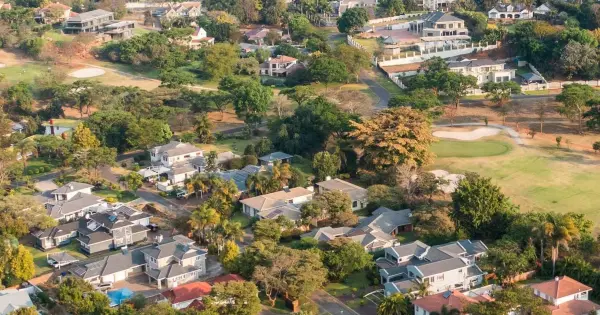
The appeal is obvious: price and speed. While a 300-square-meter serviced stand through Harare City Council costs around $5,000 (when available), Sabhuku deals offer similar-sized plots in Domboshava for $2,200 or in Seke for $800.
You don't wait years on a council list. You don't navigate bureaucracy. You pay, you get your letter, you start building. For people desperate to own land, it feels like the only realistic option.
Government statistics show close to 50% of urban residents are tenants, and Harare City Council faces a significant backlog of stand applications spanning years. When formal channels fail you, informal ones start looking reasonable.
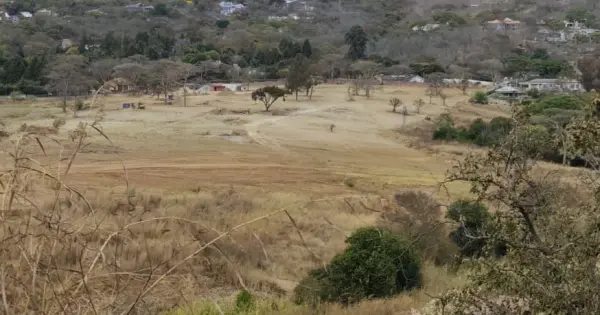
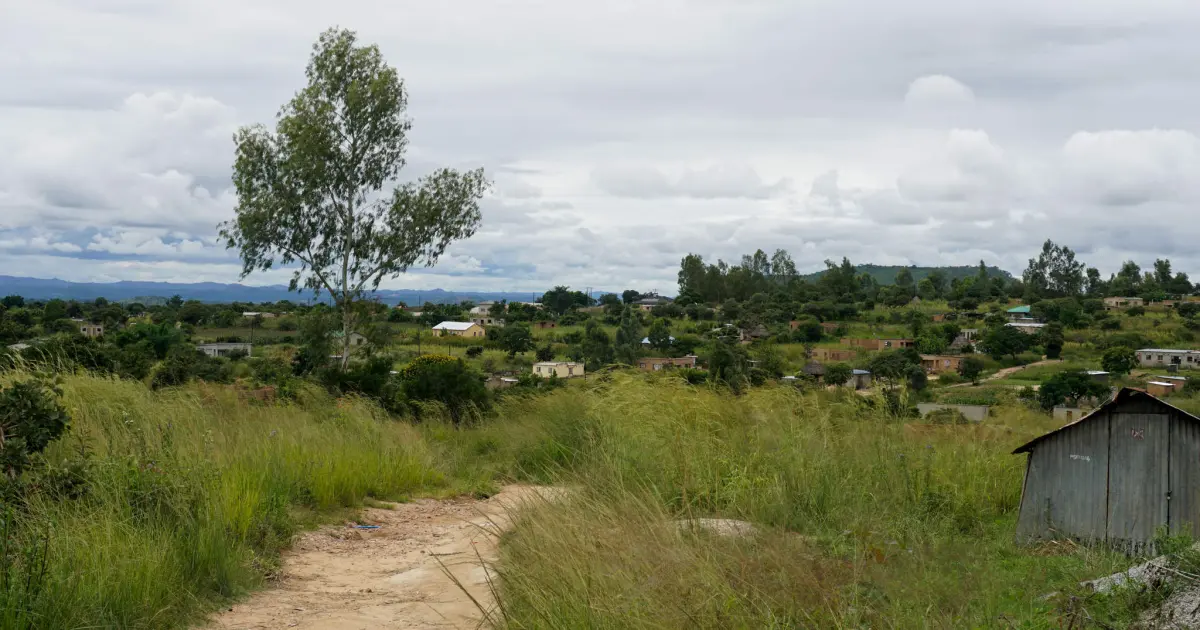
The transformation has been dramatic. Areas like Seke communal lands, once just rural farming areas, have been turned into peri-urban settlements because of Sabhuku land deals. You'll now see modern houses with satellite dishes standing next to traditional thatched huts.
The Legal Reality
Let's be direct: these transactions have no legal standing. Zero.
The Ministry of Local Government confirms that the sale of state land is illegal, and Section 12 of the Traditional Leaders Act does not include land allocation among a village head's duties. Land belongs to the state. Sabhukus cannot sell what they don't own.
When you buy through a Sabhuku deal, you get:
- An affidavit or letter with no legal weight
- No title deed
- No protection if the government decides to demolish
- No recourse to recover your money
The government has been clear about enforcement. Between January and mid-February 2024, Operation "No to Land Barons and Illegal Settlements" resulted in 3,775 arrests, with 985 people convicted. Some of those arrested were Sabhukus themselves. Others were buyers.
Real Stories From People Who Lost Everything
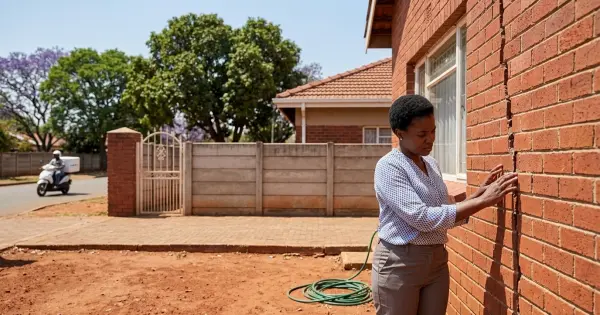
In early 2024, bulldozers demolished homes in Mushandike, Masvingo province, leaving families like Esther Mativenga's homeless after they had poured their life savings into houses built on Sabhuku-allocated land.
Esther's not alone. Jotamu Ruwona, age 49, was charged around $3,000 per hectare by his Sabhuku in Seke, only to later discover the allocation was fraudulent, with proceeds allegedly shared among officials as kickbacks. His family now sits in limbo, unsure whether to abandon their investment or fight.
These aren't isolated cases. Similar demolitions happened in Domboshava and Seke throughout 2024.
Comparing Costs: Sabhuku Deals vs Council Stands
Let's look at actual numbers for a 300-square-meter residential stand:
Sabhuku Deal:
- Domboshava: $2,200
- Seke: $800
- Goromonzi: $2,500
- Payment: Direct to Sabhuku, sometimes installments
- Timeline: Immediate
Council/Formal Process:
- Harare serviced stand: $5,000+
- Payment: Through council
- Timeline: Years on waiting list
- Legal status: Full title deed
The price difference explains everything. Sabhuku deals cost 40-80% less than formal alternatives. For someone earning $300-400 monthly, that gap represents years of savings.
But the formal route gives you actual ownership. Legal protection. The ability to sell later. Access to bank loans using the property as collateral.
With a Sabhuku deal, you might save money upfront, but you own nothing. If the government demolishes, you lose everything with no compensation.
Who's Buying These Stands
The typical buyer isn't looking for trouble. They're:
- Middle-income earners priced out of formal housing
- Young families needing their first home
- People tired of renting
- Workers from Harare, Chitungwiza, and Ruwa seeking affordable options
Many buyers know the deals are legally questionable. For most victims, the decision to buy through a Sabhuku is born not out of ignorance but desperation. They're gambling that their particular stand won't be demolished. Or hoping the government will eventually regularize these settlements.
It's a calculated risk—one that thousands are taking.
Where Authorities Stand in 2026
The government's position has hardened. The Zimbabwe Anti-Corruption Commission launched a Sabhuku land deals campaign in 2024, covering districts including Hurungwe, Makonde, Chegutu, Zvimba, and Mhondoro.
Zimbabwe Council of Chiefs president Chief Mtshane Khumalo stated that traditional leaders know state land should not be sold, and those engaging in illicit land deals should be arrested.
The Zimbabwe Republic Police have been equally clear. ZRP urged the public to verify land status before settling or paying for purported allocations, and to report criminal activities by land barons at any police station.
The Proper Legal Process for Getting Land
If you want communal land legally, here's how it actually works:
- You approach the Rural District Council (not the Sabhuku)
- The council considers applications for land allocation
- The Sabhuku may be consulted for recommendations
- The council makes the final decision
- You receive proper documentation from the council
- You can eventually apply for title deeds
Yes, it takes longer. Yes, there may be fees. But you end up with legitimate ownership that courts will protect.
For residential stands in developed areas, you should contact Harare City Council directly or work with registered real estate agents who deal in properly titled properties.
What Happens to Existing Sabhuku Buyers
This is the question that keeps thousands awake at night. If you've already bought through a Sabhuku deal, you're in a difficult position.
Some options being discussed:
- Government regularization programs (like those that benefited Epworth residents in 2024)
- Voluntary surrender and reapplication through proper channels
- Legal challenges (expensive and uncertain)
- Simply waiting and hoping
But there's no guarantee any of these will work. The government has shown it will demolish illegal structures regardless of how much you invested.
The Underlying Housing Crisis
The price of a 300-square-meter stand rose from an average of $5,000 during the Government of National Unity era to around $12,000 now, making formal housing increasingly unaffordable.
Zimbabwe's rapid urbanization isn't slowing down. People keep moving to cities seeking opportunities. But formal housing supply hasn't kept pace with demand. Until councils can provide affordable, accessible housing at scale, the temptation of Sabhuku deals will persist.
The government could crack down on every Sabhuku tomorrow. It wouldn't solve the fundamental problem: regular Zimbabweans need somewhere to live, and formal channels aren't delivering.
Making Your Decision
If someone offers you a Sabhuku deal today, understand what you're actually buying: nothing. No legal ownership. Just a gamble that you won't be the unlucky one when bulldozers arrive.
The $2,000 you save might seem worth it now. But imagine watching your $10,000 house get demolished because the land underneath was never yours to build on.
At Propertybook.co.zw, we've seen both sides. We list properties throughout Zimbabwe, including affordable options in Harare CBD and Harare South. Our database of 6,500+ listings from 150+ agencies means we understand market realities.
Yes, legal properties cost more. But they're actually yours. You can sell them. Banks will lend against them. The government won't demolish them.
The choice is yours—but now you know exactly what you're choosing between.
Looking for legitimate property options? Browse verified listings at www.propertybook.co.zw, where all properties come from registered agencies with proper documentation.