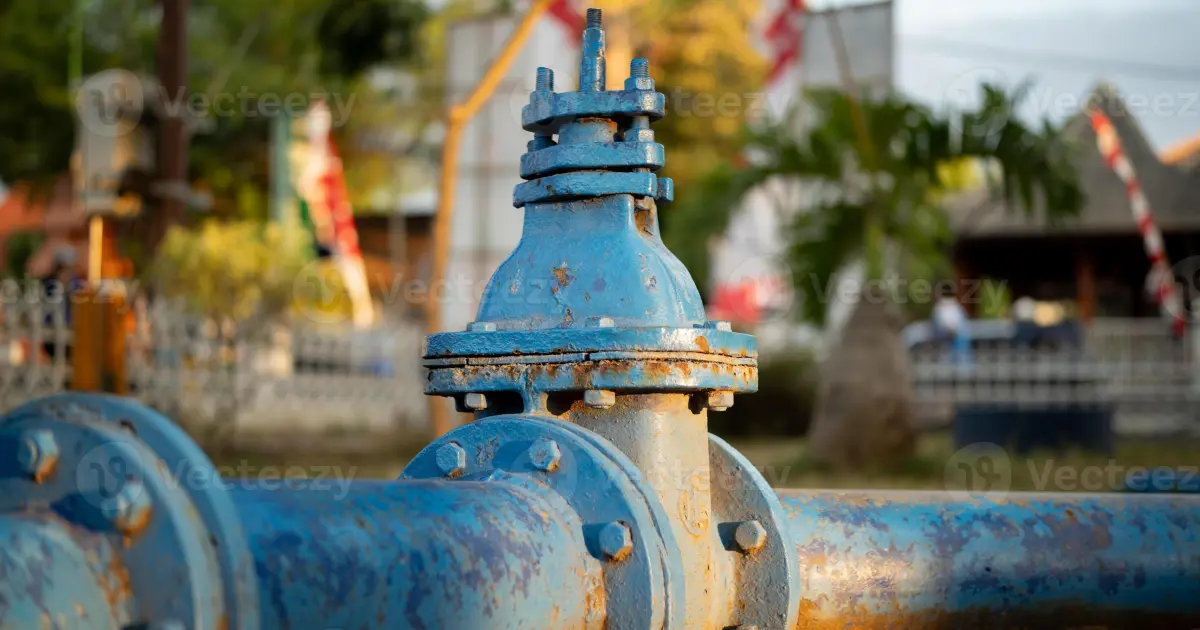
Illegal Connections Put Property Owners At Risk
Chegutu Municipality’s crackdown on illegal water connections and damage to water pipes raises a big question for property owners. Are water services being treated as seriously as title deeds, rates and other property records? The council has flagged 50 properties in the campaign, according to the Daily News. The paper reported that some owners or occupants refused to pay the set spot fines, even after the council engaged them.
For landlords, homebuyers, developers and Zimbabweans buying from abroad, this is about more than council fines. Illegal connections, unpaid water bills and disputes over services can slow down a sale, add costs and upset rentals. The crackdown is a reminder. When you inspect a property, check its water connection and its account too.
Why Chegutu Is Tightening Enforcement
Chegutu’s water problems show the pressure councils are under. They must keep pipes and pumps working, collect money and supply growing towns. In April 2026, The Herald reported that the council was pumping about 8 megalitres of water a day. That is half of the 16 megalitres needed to supply the whole town. Mayor Rydes Machekera blamed old pipes and pumps. He also pointed to a “slow response in maintaining critical infrastructure.”
A town’s water system moves water from its source to a treatment plant and then on to homes and businesses. Illegal connections disrupt this. They let people use water without being billed. They can also upset water pressure, waste more water and cut the money councils need for repairs.
The council has announced plans to put prepaid water meters across the town, starting with a pilot phase. The aim is to collect more revenue. But meters alone cannot fix the town’s water problems. The town also needs proper repairs, firm action against offenders and a reliable supply.
The problem is not limited to Chegutu. In Chinhoyi, the town had been losing about 60 percent of its treated water through leaks. That is according to Benjamin Kabikira, Deputy Minister of Local Government and Public Works. This shows how old, leaking pipes can waste clean water even before illegal connections are counted. For property owners, the lesson is clear. Having a water connection does not mean the connection is legal, well maintained or correctly registered.
A National Problem With Property Implications
Chegutu’s campaign follows similar problems in other Zimbabwean towns and cities:
-
Harare: In 2016, Harare City Council said its new mapping system (GIS) had found 881 properties with illegal connections. It had checked 121,360 properties over six months. Mapping tools like this help councils find problems that might otherwise go unnoticed.
-
Bulawayo: In August 2024, Bulawayo City Council raised the alarm over rising damage to its water pipes. In one case, the council said a sewer truck driver had allegedly joined a septic tank pipe to a water pipe to take water. That created a serious risk of dirty water getting into the supply. Cases like this show that illegal connections are not only a revenue problem. Badly connected equipment can also put public health at risk.
-
Chitungwiza: In 2020, The Herald reported more than 4,000 cases of stolen water meters in Chitungwiza in the first half of the year. Meter theft makes it harder for councils to protect equipment and supply legal connections.
For buyers, these problems show why you must check that a stand is legal and that its water services are approved. Together, these cases point to a wider issue in Zimbabwe’s property sector. The condition and legality of council services can matter just as much as the condition of the building itself.
What Landlords Should Check
For landlords, getting water right is a key part of managing a property. It matters even more when a property has several rental units. An illegal connection or a tampered meter could lead to fines, disconnection or other action. It depends on the facts and the council’s rules. Landlords should:
-
Verify water connections: Confirm that connections and meters are approved by the council or water provider.
-
Check account records: Review bills, arrears and any outstanding notices linked to the property.
-
Set clear tenant duties: Include lease terms that cover water payments, access to meters and a ban on tampering with plumbing or utility equipment.
-
Inspect regularly: Where it makes sense, check meters and visible plumbing for signs of illegal changes or damage.
-
Fix problems quickly: If you are not sure a connection is legal, call the council. Do not try a quick fix or reconnect it yourself.
A tenant’s actions do not automatically make the landlord legally liable. Responsibility depends on the facts, the rules that apply and who carried out or approved the work. Even so, failing to keep an eye on a property’s services can create avoidable money and management problems.
Diaspora Buyers: Verify Before Paying
Zimbabweans living abroad often rely on family, agents or property managers to view homes and close deals for them. This can make it harder to spot problems with water connections, council accounts and shared pipes. Before you commit to a purchase, ask your lawyer or agent to check:
-
Is the connection authorised? Confirm with the council or water provider that the property has a legal connection. Do not assume a visible meter proves this.
-
Are there unpaid bills or penalties? Ask for current account details and find out whether unpaid charges or council notices are linked to the property.
-
Is the property legally established? For properties in new developments or informal settlements, check the stand’s legal status and the developer’s right to sell it. A water connection does not prove ownership or show that a development is approved.
-
Who pays outstanding charges? Make sure the sale agreement clearly covers existing utility debts, unpaid council charges and what the seller must settle before transfer.
-
Is the water supply reliable? Ask about supply cuts, other water sources, storage tanks and any shared pipes or tanks. If a borehole supplies the property, check its condition and the approvals for it.
Propertybook tip: If you are buying from abroad, get written proof from the council or water provider. It is worth more than a seller’s spoken promise.
Developers Must Budget For Legal Connections
Developers also have a part to play in reducing illegal connections. When water pipes are unfinished or formal connections are delayed, buyers may feel pushed to move in before services are ready. But an illegal connection can bring council action against a development and cause problems for future owners. Before they sell stands or hand over homes, developers should check that water pipes are in place. They should also know the rules for connecting and get the right approvals. Finally, they should give buyers honest timelines for connection and include the cost of pipes and other services in their budgets.
For buyers, this means asking one key question before buying into a new development. Is the water connection already authorised, or is it only planned? The answer can affect how much you pay and when you can move in.
Could Regularisation Be Part Of The Solution?
Fines and cut-offs are one answer to illegal connections. Some towns in other countries have looked at letting people make their existing connections legal. In 2022, Ugu District Municipality in South Africa’s KwaZulu-Natal province said it was thinking about making illegal water connections legal. Municipal manager Dr Elliot Ntombela said connections would be assessed case by case and some would be removed. This does not mean illegal connections are simply forgiven. Any such programme would depend on the authority’s rules and the facts of each case.
For Zimbabwe’s councils, the bigger challenge is to act against illegal connections while making it easier for owners to get legal ones. For investors, the first job is still to follow the rules. Buyers should not assume that an existing illegal connection will one day be legalised. Landlords should fix known problems before they become more expensive.
The Bottom Line: Water Compliance Is Part Of Property Due Diligence
Chegutu’s crackdown points to a part of owning property that people often miss. Council services need to be checked, not simply assumed to be in order. A property may have a nice building, a good location and strong rental demand. It can still bring surprise costs if its water connection is illegal or its account is in dispute. For landlords, regular checks and clear leases can prevent avoidable problems. For buyers, especially those buying from a distance, written proof of utility arrangements makes due diligence stronger. For developers, planning for legal connections from the start can protect projects from delays and disputes.
Zimbabwe’s towns keep growing. Reliable, legal water services will stay important for owners and investors. Before you buy, rent out or develop a property, check more than the building and the ownership papers. Check the status of its water connection too. A well-documented property is easier to manage, and its risks are easier to judge.
Sources
-
Daily News. “Chegutu targets water infrastructure vandals.” 18 October 2026. https://dailynews.co.zw/chegutu-targets-water-infrastructure-vandals/
-
The Herald, via Bulawayo24. “Chegutu battles water supply challenges.” 8 April 2026. https://bulawayo24.com/index-id-news-sc-national-byo-263606.html
-
The Herald. “105km Chinhoyi water system overhaul excites residents.” 15 October 2026. https://www.heraldonline.co.zw/105-km-chinhoyi-water-system-overhaul-excites-residents/
-
Geospatial World. “GIS stamps illegal water connections.” 22 November 2016. https://geospatialworld.net/news/gis-stamps-illegal-water-connections
-
CITE. “BCC sounds alarm on increasing water infrastructure vandalism.” 30 August 2024. https://cite.org.zw/bcc-sounds-alarm-on-increasing-water-infrastructure-vandalism/
-
The Herald. “Water meter thieves on the loose.” 9 August 2020. https://www.heraldonline.co.zw/water-meter-thieves-on-the-loose/
-
The Mercury. “Ugu Municipality considering plan to ‘legalise’ illegal water connections to curb theft, generate revenue.” 10 November 2022. https://m.motoring.co.za/mercury/news/ugu-municipality-considering-plan-to-legalise-illegal-water-connections-to-curb-theft-generate-revenue-9ea2e032-64b7-4465-853f-c1c2dcbda224