Zimbabwe's property market is showing signs of new energy, especially in Harare. Local buyers, developers and diaspora investors keep looking for ways to protect and grow their wealth through property. But as prices rise and new developments appear across the capital, an important question is emerging. Is Zimbabwe enjoying a genuine property boom, or are parts of the market turning into a bubble? The answer may lie somewhere in between.
Strong Housing Demand Supports The Market
One of the strongest arguments against a nationwide bubble is Zimbabwe's huge housing shortage. The Ministry of National Housing and Social Amenities says the national backlog is beyond 1.25 million units. Government has set a target of one million housing units by 2030.
Harare shows the scale of the challenge. Figures in the city's proposed master plan show the council's housing waiting list reached a record 300,000 in 2024. Yet the council delivered only 3,897 housing units between 2014 and 2024.
That gap creates real demand for housing. It also explains why areas along Harare's growing northern and western corridors keep drawing buyers. New developments, flats, cluster homes and serviced stands are giving investors more choice beyond established suburbs such as Borrowdale and Mount Pleasant.
Cash Continues To Drive Much Of The Market
Another key feature of Zimbabwe's property market is the dominance of cash deals. Mortgages remain hard to get and expensive for many buyers. So people with access to US dollars, including diaspora buyers, often have the upper hand. This can push prices higher because sellers are dealing with buyers who do not need a bank's approval.
The result is a market where a well-located property can draw strong interest even when finance is scarce. For investors, this raises an important question. Is a property expensive because demand is genuine? Or is it expensive simply because buyers have few other places to put their money?
Not Every Increase In Value Is A Bubble
A steadier economy also helps the case for property. The Reserve Bank of Zimbabwe said annual ZiG inflation had stayed in single digits for eight months in a row from January to August 2026. In September 2026, ZIMSTAT reported annual inflation of 3.7 percent in ZiG and 3.5 percent in US-dollar terms. Both edged up from August, but they remain low.
That is very different from a market where prices rise purely because of runaway inflation.
At the same time, building costs still matter. ZIMSTAT tracks changes in the cost of building and civil engineering materials. This highlights the costs developers face when bringing new homes to market. Higher land, labour, infrastructure and building costs can therefore explain part of the rise in the price of a new property.
Where Bubble Risk Could Appear
The bigger concern is not the whole Zimbabwean market. It is certain areas and certain types of property. A development can become overpriced when people buy mainly because they expect someone else to pay more later. This is especially risky in new areas where asking prices rise faster than services, rental demand and what households can really afford.
A US$100,000 house in an area with good roads, reliable water and power, schools and strong rental demand is very different from a similar-priced house where basic services are still being built. The same applies to land. A cheap stand can look like a bargain until buyers discover that roads, sewerage, water, electricity and title deeds are still not sorted out.
What Should Investors Look For?
Instead of asking whether prices will keep rising, investors should ask what supports the price of the property they are buying. For example:
-
Is there genuine demand from tenants or owner-occupiers?
-
Is the development properly approved and serviced?
-
Are roads, water, electricity and sewerage available?
-
Does the property earn a reasonable rental yield?
-
Is the price backed by recent sales of similar properties?
-
Can the property be resold if the market slows?
-
Does the area have realistic prospects for new infrastructure and jobs?
These questions matter even more as Government pushes for faster housing delivery. The housing ministry says it is counting on private firms, banks and public-private partnerships to build more homes.
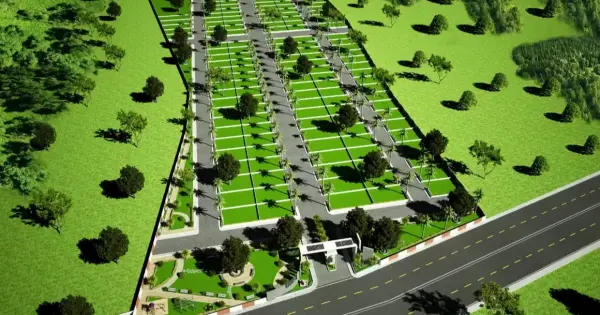
Projects such as Sunway City in Harare show how this is playing out. In July 2026, Government said a US$4.7 million phase there would deliver 254 serviced medium-density stands, with schools, churches and commercial stands planned. Minister Paul Mavima linked the project to the one-million-homes target.
Finally
Zimbabwe's property market has genuine reasons to grow. The housing shortage creates openings for investors. So do population growth, diaspora demand and new roads and services. So does the limited supply of mortgages, which favours cash buyers.
Still, these strengths do not make every property a good investment. For buyers, the biggest lesson may be that a rising market still demands discipline. Paying a premium simply because prices have been going up can turn a real opportunity into an expensive mistake.
Zimbabwe may indeed be enjoying a property boom. But the smart investor will focus less on the excitement of rising prices and more on the fundamentals underneath them. In property, the question is not simply whether prices are going up. It is whether the property is worth the price being asked.
Sources