For years, a home's value was judged mainly by its location, size, finishes and security. But Zimbabwe's market is now paying more attention to something else: how well a home works when public utilities let you down.
Solar power, boreholes, water tanks and good internet were once seen as luxury extras. Today, they are becoming practical needs. Buyers want a home that keeps running through power cuts, water outages and the demands of working from home.
Propertybook's 2026 Zimbabwe house price predictions point to this shift. They say properties with solar systems and boreholes will stay in high demand. They also say homes with solar, boreholes and good security will hold their value best.
Power Security Is Becoming A Property Feature
Unreliable electricity is one of the strongest reasons to invest in a self-sufficient home. Power cuts have long been part of life for many Zimbabwean households. This has made backup power an important feature for homeowners.
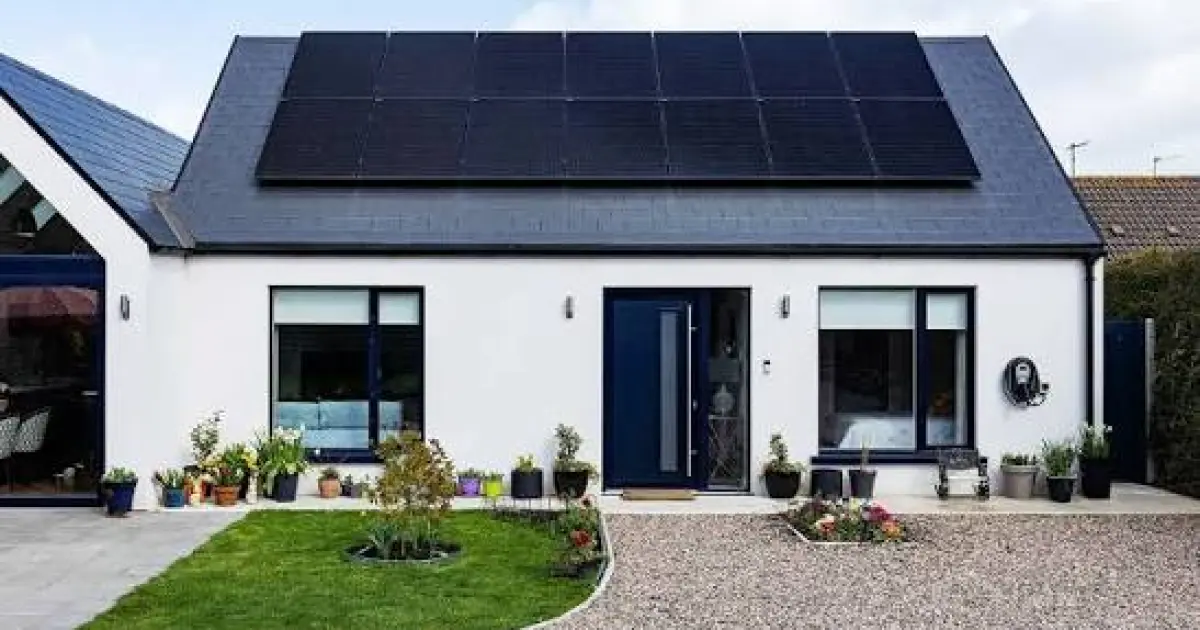
A well-designed solar system can keep the essentials running during a power cut. That means lights, security systems, water pumps, internet equipment and fridges. For a buyer, these are not just conveniences. They reduce disruption to work and family life.
The wider policy direction also supports home-based power. Zimbabwe's National Renewable Energy Policy backs renewable energy and provides for net metering. Under net metering, households with solar can, under the right arrangements, feed extra power into the grid.
For buyers, the key is to tell the difference between having solar panels and having a backup system that truly works. A good installation should be judged on its capacity, battery storage, inverter, quality of installation, service history and the appliances it can really run.
Water Independence Can Protect Value
If electricity is about keeping things running, water is about basic living. Many Zimbabweans still lack a reliable water supply. An Afrobarometer survey released in July 2026 found that 60% of Zimbabweans went without enough clean water at least once in the previous year. Almost half (49%) said this happened several times, many times or always.
These numbers help explain why a working borehole can make such a difference to a home. For a homeowner, the value is not the borehole itself. It is the reliability it brings.
A strong water system might include:
-
A working borehole
-
Enough storage tanks
-
A reliable pump
-
Filtration where needed
-
Backup power for the pump
-
Proper household plumbing
-
Rainwater harvesting where practical
The more complete the system, the more useful the home becomes when council supply is cut. This matters most for larger homes, cluster developments and properties with gardens or swimming pools, where water use can be high.
Note that boreholes come with their own rules. Owners should make sure their borehole complies with current regulations.
Fibre Has Turned Connectivity Into Infrastructure
The third pillar of the self-sufficient home is connectivity. About ten years ago, internet access rarely came up during a house viewing. Today, it can decide whether a home works for a remote worker, a business owner, a student or a family running an online shop.
Zimbabwe's National Development Strategy 2 (NDS2), which runs from 2026 to 2030, includes sections on national broadband and digital infrastructure networks.
Demand for fixed internet also shows that connectivity is now part of a home's basic services. POTRAZ data for the first quarter of 2026 showed about 86,500 active fibre connections, almost level with satellite connections such as Starlink. Fibre has kept growing alongside the newer services rather than disappearing.
For owners, fibre can affect how attractive a home is in practice. A house with a working fibre line, proper cabling and good Wi-Fi in every room can appeal more to someone working from home than a similar house where internet is hard to install.
The Three Utilities Work Better Together
The real change happens when solar, water and internet are combined. Picture a four-bedroom home in Harare with:
-
A solar and battery system
-
A productive borehole
-
Large water storage tanks
-
Fibre internet
-
Automated security
-
Backup power for the borehole pump
-
Good mobile network coverage
Each feature is useful on its own. Together, they are far more powerful. During a power cut, solar keeps the lights and internet on. The battery keeps the water pump running. The borehole and tanks provide water. Fibre keeps the family connected. The home depends less on several outside systems at once. That is the heart of a self-sufficient home.
Buyers Are Starting To Pay For Reliability
This does not mean every house with solar deserves a big premium. Instead, utilities can shape buyer preference, rental demand, bargaining power and how well a home competes when it is resold.
Propertybook's 2026 house price predictions expect homes with solar systems and boreholes to stay in high demand. Many sellers already highlight these features in their listings. A listing alone does not prove that a feature adds a set percentage to a home's value. But it shows that reliable utilities are now part of how homes are sold.
Self-Sufficient Does Not Mean Completely Off-Grid
There is a danger of taking this trend too literally. A self-sufficient home does not have to cut ties with council services. It can stay on ZESA power and use solar as backup. It can stay on council water and use a borehole and tanks as extra supply. It can have fibre and keep mobile data or satellite internet as backup.
In most cases, resilience rather than total independence is the more realistic goal. This matters because fully off-grid systems can cost a lot upfront and need ongoing upkeep.
Infrastructure Quality Matters More Than The Checklist
A borehole on a listing does not automatically make a home water-secure. Buyers should find out the borehole's yield, age, pump condition and service history. They should also ask whether the water quality has been tested.
The same goes for solar. A seller may advertise "solar power", but buyers should ask:
-
How many panels are installed?
-
What is the inverter capacity?
-
What is the battery capacity?
-
How old are the batteries?
-
Which appliances can the system run?
-
Was it installed by a professional?
-
Are warranties and service records available?
For fibre, buyers should check whether the line is already active or whether fibre is simply available in the area. These details can make a big difference to the real value of the systems.
Developers Are Building Around Utility Independence
The trend is also visible in new housing developments. The Infrastructure Development Bank of Zimbabwe (IDBZ) looks at housing as more than the house itself. It includes water supply, sanitation, electricity, sewer, ICT connections and roads.
That is a useful way to look at modern housing. A house cannot be called truly functional if residents cannot rely on water, power, sanitation, roads and communication.
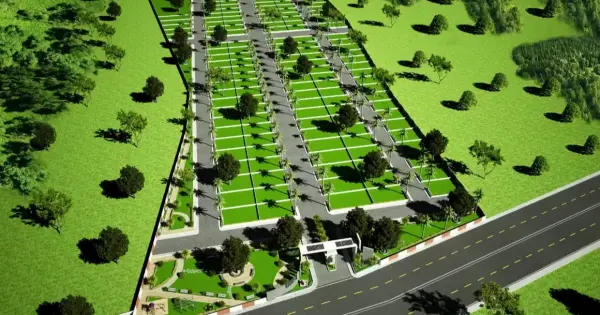
As new projects spread into areas where council services may take time to arrive, developers have good reason to provide some services privately or through shared systems. This is especially true for cluster developments and gated communities. There, a central borehole, solar plant or fibre network can serve many homes.
What This Means for Investors
For property investors, reliable utilities affect more than resale value. They can shape rental demand too. A tenant working from home may care most about steady internet and power.
A family may pay more for reliable water. A business owner may value backup power because a power cut can stop work.
So two houses with similar bedrooms, size and location may not be equally attractive to tenants. The one with reliable utilities may have the edge when competing for good tenants.
However, investors should weigh the cost of installing and maintaining these systems against the extra rent or resale value they bring. Not every upgrade pays for itself dollar for dollar.
The New Definition Of A Premium Home
Zimbabwe has long defined a premium property by location, land size, design, finishes and security. Those things still matter. But the premium home of the future may be defined by something less visible: how reliably it works.
A beautiful house that loses power, water and internet whenever public services fail can be less useful than a plainer home with reliable backup systems. This is especially true as working from home, online businesses, home entertainment and smart security become more common. The home is now both a place to live and a place to work.
What Buyers Should Look For
Before paying extra for a so-called self-sufficient home, buyers should do a utility check alongside the usual structural and legal checks. The right questions help separate real resilience from marketing talk. Ask:
-
Power: What is the solar system's real capacity and condition?
-
Water: What is the borehole's yield, and how much storage is there?
-
Internet: Is fibre already connected, or just available nearby?
-
Backup: Can the solar system run the borehole pump and security equipment?
-
Maintenance: Are service records and warranties available?
-
Quality: Were the systems professionally designed and installed?
-
Running costs: What will batteries, pumps, filters and other parts cost to service or replace?
The Long-Term Value Proposition
Property values depend on supply, demand, location, the economy and buyer tastes. No single feature guarantees a rise in value. But the direction of the market is becoming clearer.
Unreliable power and water have made dependable utilities more valuable. Government policy is pushing renewable energy and wider internet access at the same time. And buyers are more aware of the real cost of living in a home that depends entirely on outside services.
Propertybook's 2026 predictions expect modest house price growth of 2 to 3 percent, not another period of wild swings. In that kind of market, the homes that stand out may be those with clear practical and lifestyle advantages. Solar, boreholes and fibre are more than modern conveniences. They are becoming part of what makes a house usable, resilient and competitive.
For buyers, that can mean fewer daily disruptions. For landlords, it can mean a stronger offer to tenants. For sellers, it can help a home stand out. For developers, it may soon be a requirement rather than a luxury. The self-sufficient home is not the house that produces everything it uses. It is the house that keeps working when the systems around it don't.
Sources