Zimbabwe's housing problem is not just about building more houses. It is about making homes affordable, serviced and within reach of the people who need them. The Ministry of National Housing and Social Amenities says the national housing backlog is "hovering beyond 1.25 million units". That puts real pressure on the country to deliver homes that ordinary families can afford.
For people hoping to own a home, the price of a stand or a half-built house is only part of the story. Roads, water pipes, sewers, power connections and other basic services can add a lot to the final cost. For developers, the cost of services outside the site can decide whether a project makes money at all.
As Zimbabwe looks for ways to close the housing gap, the challenge is balance. It must weigh spending on services, the role of private firms and what buyers can actually afford.
Understanding The Housing Backlog
The housing backlog is the gap between the number of decent homes people need and the number they can realistically get. Population growth, people moving to towns, new households forming and people moving closer to jobs all add pressure.
Harare shows the challenge clearly. Its established suburbs offer jobs, schools, hospitals and shops. But land and finished homes in many sought-after areas are out of reach for lower- and middle-income earners. So demand has spread to areas such as Ruwa, Seke, Norton and parts of the northern and western growth corridors.
Bulawayo faces a similar challenge. Its housing growth depends on serviced land, jobs and reliable council services.
However, the backlog is not one single market. A family looking for a small starter home needs something very different from a buyer of a luxury property. Closing the gap needs a range of options. These include affordable flats, homes built in stages, serviced stands and finished houses.
Why Infrastructure Makes Housing More Expensive
One of the biggest costs in housing comes before the house is built. Developers often have to pay for the services that make a site fit to live on. These can include access roads, stormwater drains, water supply, sewer pipes, power lines and, where possible, telecoms. Some projects also need pumping stations, water tanks, sewage treatment or upgrades to public roads.
These are not luxuries. Without proper water, sanitation, access and drainage, a housing project may be unsafe or hard to live in. It may also be a poor long-term investment.
Services outside the site can be very expensive when a project is far from existing council networks. A developer may need to extend a water pipeline, upgrade a road or help pay for a sewer system serving a wider area. Those costs can then end up in the price of each stand or home.
For example, a project on the edge of Harare may look affordable when it is advertised by stand price. But once a buyer adds roads, water, sewer and power, the total cost of buying and building may be much higher. This is why buyers should look at the full cost of ownership rather than just comparing stand prices.
The Hidden Costs Facing Home Buyers
For many Zimbabwean families, buying land is only the first step in a much longer financial journey. After paying for a stand, buyers may still need to pay for building, internal services, boundary walls, better access and utility connections.
Where services are incomplete, more costs can pile up. A family may need to drill a borehole, install a water tank, buy a solar system or arrange other sanitation. These solutions bring independence and convenience. But they use money that could have gone into finishing the house.
Consider a buyer who purchases a stand in a growing area on the edge of town. The price fits the family budget. Later, the buyer finds that the road is not properly surfaced, there is no council water and power has not reached the plot. The family must now budget for both building and basic services.
That forces a hard choice. They can delay building while they save for services. They can build in stages. Or they can borrow more money. For families who rely on salaries, money from relatives abroad or irregular income, such surprise costs can stretch a project over several years.
Developers also face pressure. Higher service costs mean they need more money upfront. Projects take longer. They are more exposed to inflation, exchange-rate swings and changes in the price of building materials. The result is a market where a home may exist on paper but remain out of reach for the buyer it was meant for.
Serviced Stands Versus Cheaper, Undeveloped Land
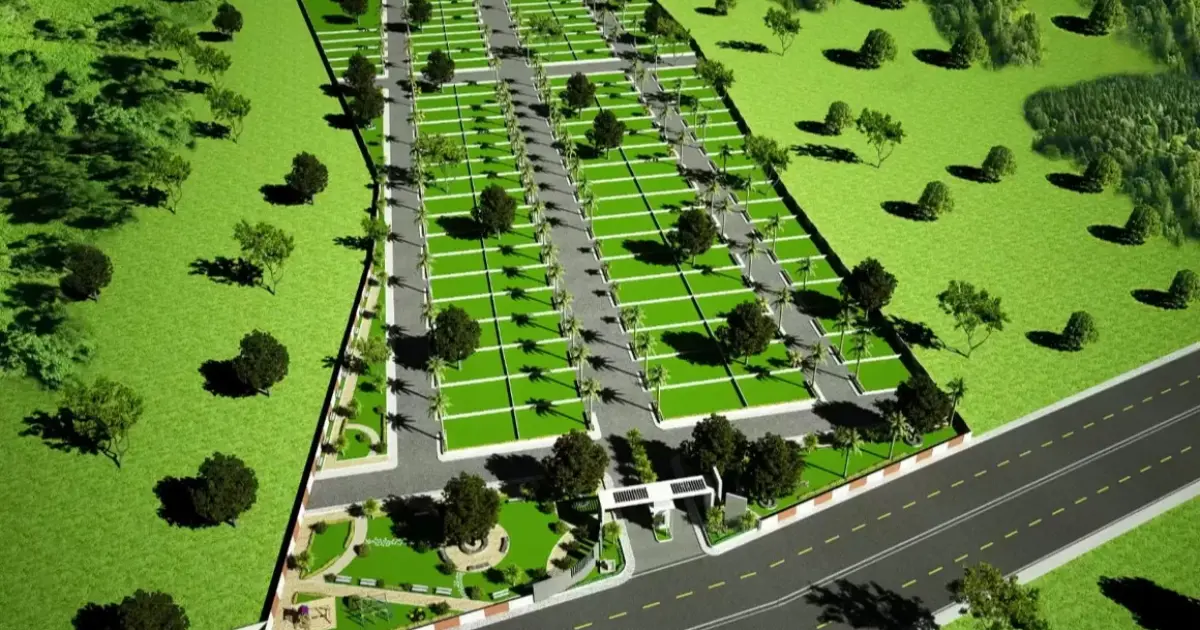
The difference between serviced and unserviced land is central to affordability. A serviced stand should have the necessary services in place or available, in line with the project's approved plans. What is included can vary. So buyers must check what is actually in place rather than rely on a sales brochure.
An unserviced stand may be cheaper at first. But the buyer could face big extra costs before building can start. In some cases, the cost and time needed to finish the services can wipe out the saving.
For example, a buyer comparing two stands in Ruwa or Norton should look beyond the difference in price. Are the roads usable all year? Are water and sewer connections available? What power arrangements exist? Are the approvals and title documents in order?
A pricier serviced stand may offer better value if it lets building start sooner and reduces doubt about future costs. On the other hand, undeveloped land can suit buyers who can wait longer, as long as they understand the risks and have a realistic budget for the rest. For investors, services also affect how easy a property is to sell. A home in a well-serviced area is generally easier to live in, rent out or sell than one where basic services are still uncertain.
Can Public-Private Partnerships Close The Gap?
Government money alone may not be enough to deliver the housing and services needed at this scale. Public-private partnerships (PPPs) and similar deals can help bring in private money, skills and building capacity.
In a housing project, a public body may help with access to land, planning or services. A private partner then funds or builds the homes and supporting services. Other deals may involve developers installing services under agreed conditions, with the authorities overseeing the work. The aim is to share costs and duties more fairly while speeding up delivery.
Zimbabwe's National Human Settlements Policy provides the wider framework for meeting housing needs. The National Development Strategy 1 (NDS1) named housing, infrastructure and service delivery as priorities for 2021 to 2025. Its successor, NDS2, now covers 2026 to 2030. National Housing and Social Amenities Minister Professor Paul Mavima has linked it to a target of one million housing units by 2030. That target includes private and government projects, stands and actual houses.
However, a partnership is not affordable just because the public sector is involved. If all the service costs are passed on to buyers, the homes may still be out of reach. Good deals need open tendering, a clear split of risks, realistic budgets and checks that the homes suit the people they are meant for. The strongest models link spending on services to clear affordability targets, believable timelines and accountable management.
What Zimbabwe Can Learn From Phased And Incremental Housing
Not every family can afford a finished house straight away. Incremental housing offers another path. Buyers get a suitable stand or basic home and extend it over time as money allows.
But for this to work, the project needs a reliable plan for services. Buyers should not be left to solve big problems such as drainage, access roads, sewers or shared water networks on their own.
A phased approach can help spread costs. Developers can deliver a clearly defined first phase with basic services before moving on to the next. This reduces the need to fund a large project all at once. Each phase still needs its own approvals and working services, though.
In growing areas around Harare and Bulawayo, this approach could support a wider mix of homes, from small starter houses to larger family homes. Smaller homes and practical layouts can also help control building costs without cutting corners on safety and building standards. The key is coordination. Building in stages works best when residents know which services exist, what is planned and who is responsible for delivering it.
What Homebuyers Should Check Before Committing
Buyers can lower the risk of surprise costs by checking a project before paying a deposit or signing up for a payment plan. Important questions include:
-
Infrastructure: Which roads, water systems, sewer connections, drains and power services are already working?
-
Outstanding costs: Are there service levies, connection charges or other development fees the buyer must pay?
-
Approvals and ownership: Is the subdivision properly approved, and what documents prove the seller's right to transfer the property?
-
Delivery commitments: If services are incomplete, is there a written schedule showing who is responsible and when the work will be done?
-
Total budget: How much will the stand, building, professional fees, utility connections and basic finishing cost altogether?
-
Long-term value: Is the location close to work, schools, transport and other services, and are the promised improvements realistic?
Buyers should get important promises in writing and seek independent legal or property advice where needed. They should also tell the difference between services that are finished and services that exist only on a plan. For developers, being open about service costs and delivery dates can build buyer trust and reduce disputes.
Making Housing More Affordable Requires More Than Building Houses
Zimbabwe's housing backlog will not be solved by selling more stands alone. The country needs projects that bring together land, housing finance, services, good planning and realistic prices. Public-private partnerships can help by raising money and coordinating delivery. Phased projects and incremental housing can widen access for families who cannot buy a finished home. Better planning of roads, water, sanitation and power can also cut the risk of paying again and again for patchy services.
In the end, success should not be measured by the number of stands advertised or houses started. It should be measured by the number of safe, serviced and affordable homes that families can actually live in.
For homebuyers, the lesson is simple: the cheapest stand is not always the cheapest property. For developers and policymakers, the priority is to make sure spending on services supports affordability rather than becoming another barrier to owning a home. Closing Zimbabwe's housing gap will take more than building activity. It will take joined-up investment that turns land into working neighbourhoods and housing demand into homes people can truly afford.
Sources