When A Storm Becomes A Property Market Crisis
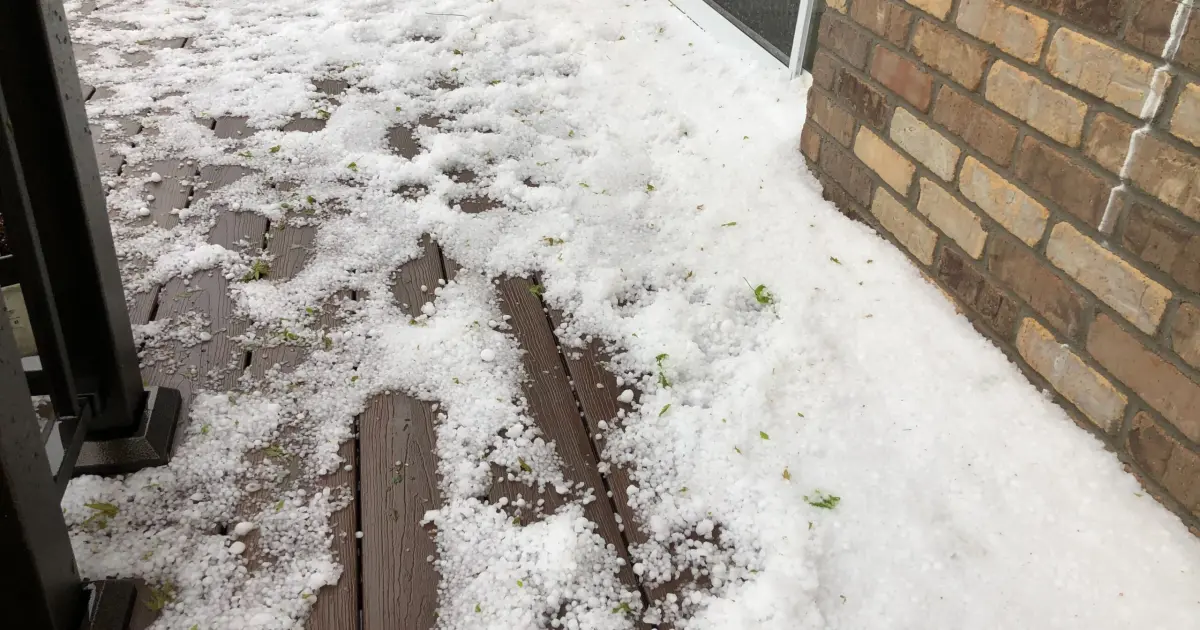
The hailstorm that hit Masvingo on the evening of Monday, 5 October 2026, did more than destroy homes and businesses. It exposed a harder question. How fast can a town repair its buildings when thousands of owners need materials at the same time?
The storm came with heavy rain and violent winds. It damaged homes, shops, vehicles and public buildings. Roofs were ripped off and windows shattered. Some families were left exposed to more rain. The damage reached Masvingo Provincial Hospital, several schools and Bushmead Waterworks, which left parts of the city without normal water supply.
Masvingo Provincial Information Officer Rodgers Irimayi said more than 13,500 households were affected. Early government assessments found that about 8,500 houses had lost roofs or had roof damage. More than 90 percent of an estimated 17,000 houses in Masvingo urban had shattered windows. President Mnangagwa declared a State of Disaster, and Government began rolling out emergency food aid and water supplies.
The scale of the damage quickly turned into a scramble for repair materials. It showed how fragile local building supply chains can be when disaster strikes without warning.
Building Materials Become An Urgent Priority
In the days after the storm, residents faced long queues and empty shelves as they tried to make their homes safe. Southerton Business Times reported that demand for glass and roofing sheets overwhelmed local suppliers. One Hillside resident joined the queue at a glass supplier at 11 a.m. on the Tuesday. By 5 p.m. she was still waiting and was told to come back the next day. Hardware shops she tried had already sold out.
This shows a basic truth about owning property. Damage to a building is only the start of the recovery. Owners must also find materials, hire reliable builders and pay for repairs, often at very short notice. For families already on tight budgets, sudden repair bills and scarce supplies make recovery especially hard. Even households with the money to fix things may face delays if the materials are not available locally.
The shortage also shows why supply links matter. Hardware stores in smaller cities depend on manufacturers and wholesalers in bigger centres. When demand jumps, the speed at which extra stock reaches the area can decide how quickly normal life returns.
The Cost Of Repairing Damaged Property
The cost of the storm goes beyond broken windows and roofing sheets. Water that gets into damaged buildings can ruin ceilings, wiring, floors, furniture and fittings. That pushes up the final repair bill.
For landlords, the damage may also mean lost rent if a home cannot be lived in for a while. Businesses in damaged buildings could face disruption while repairs are done. Tenants may have to cope with difficult living conditions.
The storm is a reminder that the purchase price is not the only cost of owning property. Upkeep, emergency repairs and the ability to stand up to severe weather all matter over the long term. Homeowners can reduce some risks with simple steps:
-
Inspect the roof regularly
-
Keep gutters and drains clear
-
Fix loose roofing sheets and fittings
-
Check that windows and frames are in good condition
However, maintenance cannot remove the risk of extreme weather. For property investors, these points matter most when assessing buildings in areas prone to violent storms or heavy rain.
Housing Resilience Must Become Part of Property Planning
Masvingo's experience raises wider questions. How strong is Zimbabwe's housing stock? And can councils, suppliers and builders cope with damage on this scale?
A resilient building is not simply one that looks good or has modern finishes. Its roof, structural joints, windows and drainage must suit local weather. They must also be installed properly.
The disaster also shows the value of keeping enough stock of key building materials. Supply deals between local shops and larger distributors matter too. Keeping large amounts of every product may not make business sense. But suppliers and public authorities can explore emergency buying arrangements so that key materials reach people faster after a disaster.
Insurance is another consideration. Owners should check whether their policies cover storm and hail damage. They should understand the exclusions and make sure the insured values are realistic. Those without insurance may need to build emergency savings or plan maintenance in stages to soften the blow of sudden damage.
For local authorities, recovery is also a chance to look beyond the immediate damage. They can identify the weak points that could leave buildings exposed to similar storms in future.
Lessons For Zimbabwe's Property Market
The Masvingo hailstorm shows how one weather event can disrupt many parts of the property sector at once. It hit household finances, rental income, hardware retail and building services.
The first priority remains helping families secure their homes and repairing damaged buildings. But the long-term lesson matters just as much. Disaster planning must sit alongside housing delivery, building quality and property investment.
As Zimbabwe's towns grow, the strength of their buildings and the reliability of their supply chains will play a bigger role in protecting property values and keeping repair costs down. In the end, a property market's strength is not measured only by how many houses are built or how fast prices rise. It is also measured by how well homes, businesses and the systems behind them can withstand shocks and recover when disaster strikes.
Sources