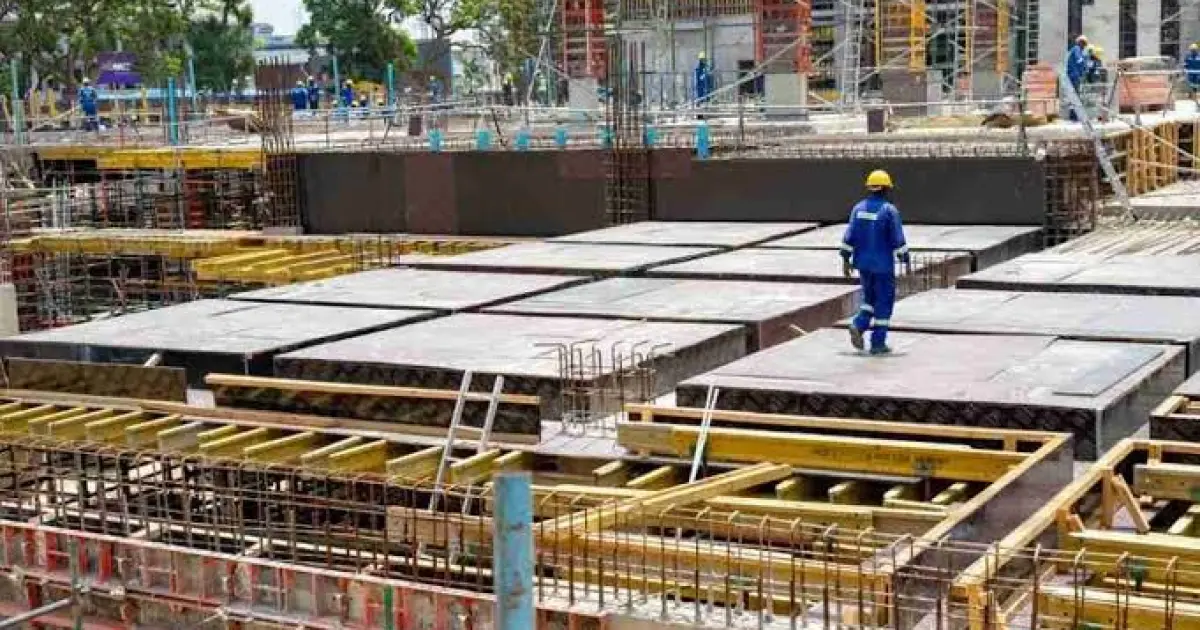
Zimbabwe's housing market is entering a tighter phase. Government has told housing developers who do not meet planning and environmental rules to suspend operations until they comply. The warning follows a dispute at Lot 17 of Lower Rangemore in Umguza, near Bulawayo. There, the Environmental Management Agency (EMA) ticketed the developer. It was building homes without an Environmental Impact Assessment (EIA) certificate.
For buyers, this goes beyond one project. It shows what can go wrong when people pay for stands before approvals, services and documents are in place.
Why Government Is Tightening The Rules
Zimbabwe needs a lot of housing. That creates room for private developers, cooperatives and other schemes. But fast growth has a cost. In many suburbs, stands were sold or houses built before roads, water and sewer were done.
In late June 2026, Government outlawed what it called "parallel development". Local Government and Public Works Minister Daniel Garwe set a clear rule. No house should be built or occupied until roads, water, sewer and drainage are fully installed. The local authority must also certify them. He said the rule applies to all cities, towns, municipalities and rural district councils.
This matters. A cheap stand can become very costly if owners later have to pay for missing roads, sewer or water.
Lower Rangemore Puts The Issue In The Spotlight
At Lot 17 of Lower Rangemore, EMA said it issued the developer a Level 11 ticket. The offence was running a housing project without an EIA certificate. EMA said the developer was told to apply for the certificate before going any further.
Residents have alleged they were being asked to help pay costs linked to the developer's non-compliance. The developer disputes that reading. Government's response was that it depends on the agreement between developer and buyers. If the agreement says buyers contribute, that should be clear. If it does not, the bill cannot simply be passed on.
The lesson for buyers is simple. Your agreement of sale should clearly say who pays for approvals, infrastructure, professional fees and any other development costs.
An EIA Is Not Optional
EMA lists housing developments among projects that need an EIA certificate before they start. It has also urged buyers to confirm that the certificate covers the specific subdivision or area they are buying into.
Under the Environmental Management Act [Chapter 20:27], listed projects must not go ahead without the required environmental certificate. The Act also allows the authorities to order mitigation, and in some cases, the removal of works.
So do not assume a developer has approval just because it is already selling stands. Check it for the specific project.
Planning Approval Matters Just As Much
Environmental approval is only part of the picture. The Regional, Town and Country Planning Act [Chapter 29:12] controls development and requires it to follow approved permits. Under Section 32, a planning authority can issue an enforcement order against development that breaks the rules.
An enforcement order can force a developer to get the missing permit or restore the land. It can also order changes, demolition or a stop to work. That is a serious risk for buyers who have already paid and started building. Courts are also willing to step in. In 2026, for example, the High Court stopped work on 23 cluster units at a Borrowdale property. The order holds while a challenge to the permit is heard.
A development dispute is not just a problem between Government and the developer. It can hit the buyer's money directly.
Zvimba Shows How Big The Problem Is
This is not only a Bulawayo issue. Zvimba Rural District Council prepared a report for a parliamentary committee in 2026. It showed that 23 of 41 developers and developments on its register were not meeting their infrastructure duties. That is 56 percent. Eight more (20 percent) were only partly compliant. Just seven (17 percent) were fully compliant and had completion certificates.
Being offered a stand does not mean the development has met its obligations. The gap between an advertised stand and a properly serviced, compliant one can be huge.
Government Wants Infrastructure First
Government's position now centres on infrastructure-first development. Minister Garwe has pointed to Statutory Instrument 170 of 2025. Under it, developers must provide water pipes, sewer networks, tarred roads with drainage, street lights and recreational spaces.
For buyers, the message is clear. Judge a development by its infrastructure and approvals, not just its stand size or price.
What Should Buyers Ask For?
Before paying a deposit, ask for documents, not promises. Key items include:
- Proof that the land is surveyed and registered
- An approved layout or general plan
- The subdivision permit
- The title survey diagram
- The development permit
- A certificate of compliance
- The EIA certificate covering your specific area
- Approved engineering designs for roads, water and sewer
Government says a compliance certificate is issued only once the developer meets the layout plan. It must also meet the approved designs for water, sewer, roads and power. If documents are missing, get independent legal or professional advice before paying large sums.
The Cheapest Stand May Not Be The Cheapest Property
A low price is tempting, especially when money is tight. But count the total cost. You may have to pay extra for roads, water, sewer, power or approvals. Then the stand can cost far more than the advertised price.
This matters most for diaspora buyers, who often buy from afar and rely on developers or relatives on the ground. Independent checks protect you. They can stop you paying for a stand that later gets caught up in a dispute.
What This Means For Developers
The new stance does not mean housing is being discouraged. Zimbabwe still needs a lot of investment in homes, and private developers remain key to meeting demand. Government continues to promote partnerships with private developers.
The message is that housing must be delivered within planning, environmental and infrastructure rules. For professional developers, clear documents, proper planning and fair buyer agreements will matter more than ever.
A Compliance-First Property Market
For buyers, the warning is a reminder that owning property starts with more than finding a good stand. Legal status, planning approval, environmental rules, infrastructure and contracts all matter. Lower Rangemore shows how a developer's problems can spill over onto the people who have already paid. The wider ban on parallel development means these checks will matter more across the country.
The safest approach is simple: verify first, pay second. Checks may take a little longer. But they cost far less than fixing a dispute after building has started.
Sources
- The Herald – Non-compliant housing developers ordered to suspend operations, October 2026. https://www.heraldonline.co.zw/non-compliant-housing-developers-ordered-to-suspend-operations/
- Southerton Business Times – Govt tells non-compliant housing developers to stop, October 2026. https://www.southertonbusinesstimes.com/post/govt-tells-non-compliant-housing-developers-to-stop
- The Sunday Mail via The Herald – No more housing development before roads, sewer: Govt, June 2026. https://www.heraldonline.co.zw/no-more-housing-development-before-roads-sewer-govt/
- The Herald – Zvimba developers non-compliant, 2026. https://www.heraldonline.co.zw/zvimba-developers-non-compliant/
- The Herald – Court halts Borrowdale cluster housing project, 2026. https://www.heraldonline.co.zw/court-halts-borrowdale-cluster-housing-project/
- The Herald – Government demands quality over quantity in housing developments (SI 170 of 2025). https://www.heraldonline.co.zw/government-demands-quality-over-quantity-in-housing-developments/
- Environmental Management Agency – Environmental Impact Assessment. https://ema.co.zw/?p=13196
- Environmental Management Act [Chapter 20:27]; Regional, Town and Country Planning Act [Chapter 29:12]. zimlii.org