Disclosure: Propertybook was an Industry Partner at the Zimbabwe Property Expo 2026.
The Zimbabwe Property Expo 2026 has wrapped up in Harare. The conversations about property investment, housing delivery and development will carry on long after the exhibition floor is cleared.
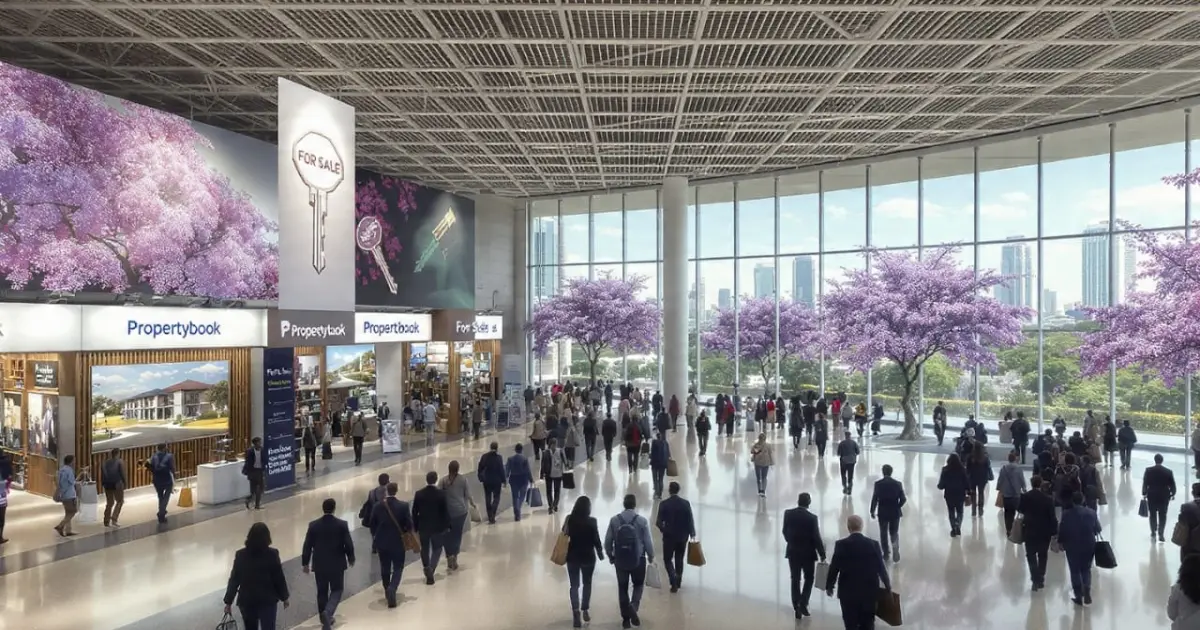
Held from 19 to 21 August at the Celebration Centre in Harare, the third edition brought together developers, property professionals, financiers, architects, planners and buyers. The theme was “Zimbabwe’s Growth Story: Showcasing Zimbabwe’s Property Hotspots.”
The event was built around a buyer-focused approach, with investment education, industry discussions and direct engagement between property businesses and potential buyers. The biggest value of an event like this is not seeing what is on display. It is understanding where the market is heading, and what buyers should be paying attention to.
Property Is Becoming A More Informed Investment Decision
The clearest message from this year’s expo was the growing importance of buyer education. The expo deliberately positioned itself as a buyer-driven platform.
Buying property is a big decision that deserves careful thought. Yet many buyers still decide on location, price or a seller’s promises alone, without checking ownership, development approvals, servicing or the true costs involved.
Recent controversy over irregular developments in and around Harare has made due diligence even more important. Speaking at the opening of the expo, National Housing and Social Amenities Minister Paul Mavima stressed that proper urban planning remains critical. He also acknowledged concerns about houses built through irregular land deals.
A cheap-looking residential stand can turn out costly if roads, water, sewerage and electricity still have to be put in. A property advertised as an investment opportunity should be checked for paperwork and development status before any money changes hands.
The Spotlight Is Shifting Towards Serviced And Sustainable Developments
Zimbabwe’s housing challenge is not simply about putting more houses on the market. It is about creating communities with working infrastructure and social amenities.
Government’s 2026 Budget Strategy Paper puts weight on housing delivery alongside supporting infrastructure such as roads, water, electricity and waste management. It also pushes cooperation between government, local authorities and private-sector players to speed up delivery.
That approach is visible in some developments. Aspire Heights, the apartment phase of the Aspindale Park estate in Harare, is one example the Ministry of National Housing and Social Amenities has highlighted. The gated development includes security, parking, playgrounds and connectivity alongside the residential units, and is expected to deliver 152 apartments.
For buyers, this points to a broader definition of value. A house is not just the structure. Its long-term appeal depends on access to roads, water, electricity, security, recreation and other services.
Harare’s Growth Is Creating Different Investment Opportunities
The expo’s focus on property hotspots reflects a real change. Harare’s property market is no longer concentrated in a handful of established suburbs. Newer residential areas are creating openings for buyers willing to take a longer view.
Established suburbs still pull plenty of attention, especially from buyers wanting to settle in a northern suburb like Borrowdale. Mature infrastructure and closeness to commercial centres remain big advantages.
A homeowner may prefer a fully serviced neighbourhood with schools, shops and reliable transport links. An investor chasing capital growth may prefer an emerging area where infrastructure is still improving. The point is that location should be judged on future development as well as today’s conditions.
Diaspora Buyers Have Another Reason To Pay Attention
Diaspora investors matter more and more to Zimbabwe’s property market. For someone living in Johannesburg, London or Dubai, visiting a development in person is not always possible. An event that puts developers, financial institutions and property professionals in one room gives those buyers a way to compare options.
Even so, diaspora buyers should do the same due diligence as anyone else. Request copies of the relevant documents. Establish who owns the land. Understand the payment structure. Independently verify claims about infrastructure and development timelines. Where possible, use qualified legal and property professionals before committing significant funds.
What Buyers Should Take Away From The Expo
The most important takeaway may be this. Zimbabwe’s property market is getting more sophisticated, and buyers need to get more sophisticated too.
Before buying, ask:
-
Is the seller legally entitled to sell the property?
-
What paperwork proves ownership or the right to sell?
-
Is the development properly planned and authorised?
-
Are roads, water, electricity and sewerage already available?
-
What additional costs come after the purchase price?
-
What are the area’s prospects for future development?
-
If buying for investment, who is the likely tenant or future buyer?
These questions separate a genuine opportunity from a purchase that creates problems later.
Beyond The Exhibition Floor
The significance of the expo should outlast the three days at the Celebration Centre. Zimbabwe’s housing demand remains large, and government continues to emphasise affordable housing, serviced land and private-sector partnerships. At the same time, ongoing concerns over informal settlements, land management and unplanned development show why responsible property investment matters.
The message for buyers is not to avoid emerging openings. It is to approach them with better information. You might be buying a family home in a new Harare suburb, investing in an apartment development, or buying a stand on the outskirts. Either way, the smartest property decision is rarely the fastest one.
The 2026 Property Expo has closed its doors for the year. Its central message still stands. Zimbabwe’s property market is evolving, and informed buyers will be better placed to benefit from what comes next.
Sources And References
-
Zimbabwe Property Expo. Event dates, venue and 2026 theme. www.zimbabwepropertyexpo.co.zw. Accessed August 2026.
-
The Herald. “Zimbabwe Property Expo Targets Informed Investment.” Event background and participating professional groups. www.herald.co.zw. Accessed August 2026.
-
H-Metro. “Proper Planning Of Cities And Towns Is Key: Minister Mavima,” 20 August 2026. Accessed August 2026.
-
Structure and Design. “Aspindale Park Reaches New Heights: First Block At Aspire Heights Completed.” Development detail and unit count. www.structureanddesignzim.com. Accessed August 2026.
-
Ministry of National Housing and Social Amenities. Housing programmes and gated residential development examples. www.nationalhousing.gov.zw. Accessed August 2026.
-
Veritas. 2026 Budget Strategy Paper. Government housing priorities. www.veritaszim.net. Accessed August 2026.
-
Veritas. Urban State Land Management Policy. Background on land management, unplanned settlements and land baronism. www.veritaszim.net. Accessed August 2026.