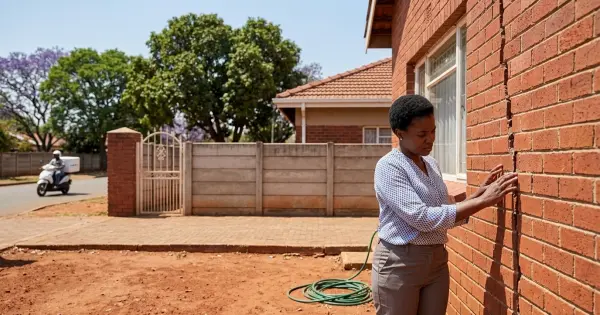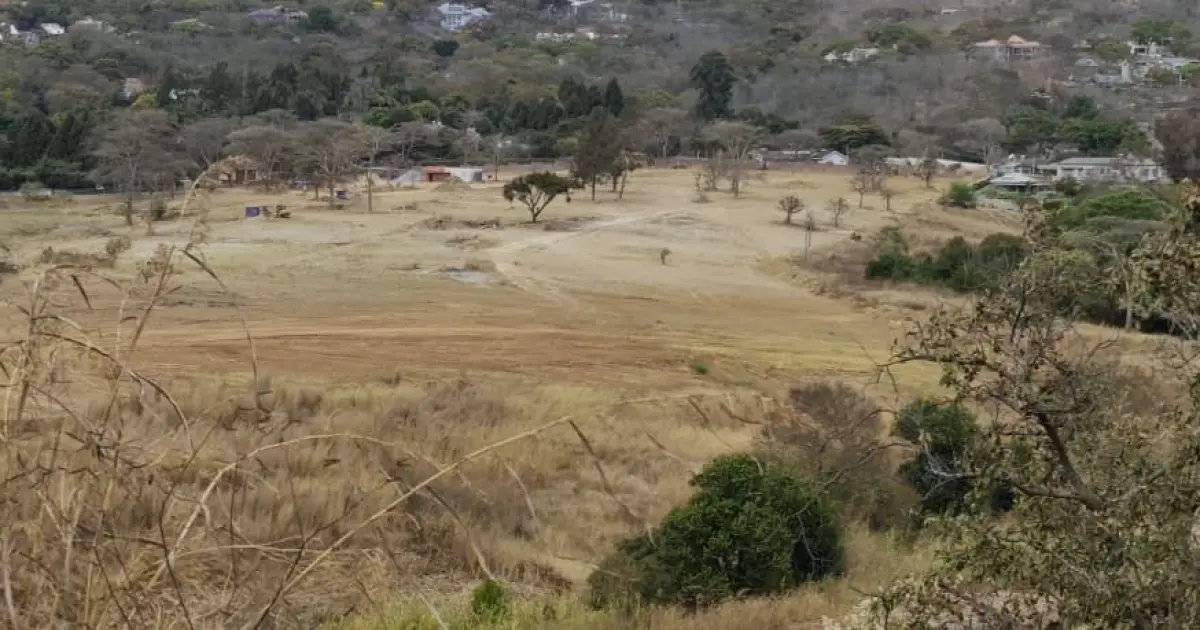
A High Court order temporarily stopping construction at a proposed housing development in Glen Lorne has put Zimbabwe’s long-running tension between housing demand and wetland protection back in the spotlight.
A group of Glen Lorne residents obtained an interim order by consent before Justice Samuel Deme on Monday, September 14, 2026. The order halts works at Stand 4717 while a wider legal dispute over the development and its environmental and planning approvals continues. The parties are also exploring an out-of-court settlement.
The case involves Zhuomu International (Private) Limited, a Chinese-owned developer. It plans 21 standalone villas and 75 cluster homes on about 9.2 hectares. The residents allege that building work spread into an environmentally restricted part of the property linked to the Umwinsi River and a protected wetland. The court has not ruled on these allegations. The interim order simply holds things in place while the main dispute is heard.
For Zimbabwe’s property market, however, the case raises a bigger question: how should developers, buyers and local authorities handle land where housing and environmentally sensitive areas overlap?
What the Glen Lorne Dispute Is About
According to the residents’ court papers, the work at Stand 4717 included grading, levelling, trenching and building a perimeter wall. The residents say that earthmoving equipment worked near the Umwinsi River on several days in August. They say it then moved into an area that was excluded from development under the project’s environmental approval.
They further allege that a trench was dug across a small stream feeding a dam on a neighbouring property, and that rubble, soil and felled trees were dumped in the disputed area. The residents also raised concerns about boreholes and groundwater use. Their application seeks to stop works within the gazetted Helensvale Ecologically Sensitive Area. The City of Harare, the Environmental Management Agency (EMA) and the Zimbabwe National Water Authority are among the authorities cited in the case. Technical committee minutes filed in support of the residents record 452 written objections to the project.
These remain allegations in an ongoing legal process, not findings of the court. The immediate purpose of the consent order is to stop further work while the legal and regulatory questions are addressed.
The project itself shows why the issue matters to Harare’s property market. With 96 homes planned on one large site, it could add meaningfully to the city’s upmarket housing stock if it is finally allowed to go ahead.
Why Wetlands Matter to Property Development
Wetlands are not simply empty land waiting for construction. They store and filter water, help refill groundwater and slow down storm water. Environmental groups in Zimbabwe have long warned that damaging wetlands can worsen water shortages and flooding.
Zimbabwe’s law recognises these functions. Under Section 113 of the Environmental Management Act, the Minister responsible for the environment can declare wetlands to be ecologically sensitive areas and limit development in or around them.
This is especially important in Harare, where housing, business and infrastructure projects keep pushing into previously undeveloped land. When natural ground is replaced with roofs, roads and paving, rainwater moves through a site differently. The concern is therefore not limited to what happens inside one development. Changes to drainage and groundwater can affect properties well beyond its boundaries.
Environmental Approval Is Part of the Property Equation
One of the biggest lessons for developers and investors is this: just because a property is available for development does not mean every part of it can be built on.
EMA is the legal body responsible for environmental management, including preventing pollution and environmental damage. Projects on or near wetlands can involve several layers of approval. A developer may need an environmental approval, planning permission, water-related permits and clearance for any restrictions on a sensitive site.
This framework has not gone away. In May 2026, government scrapped council building permits and the council-level environmental assessment. But projects that need a national Environmental Impact Assessment (EIA) still need one from EMA, and projects in environmentally sensitive areas still need statutory approval.
In the Glen Lorne dispute, the residents argue that the perimeter wall and other works entered an area excluded under the project’s environmental approval. The court will decide the legal issues. For the wider property industry, the message is already clear: environmental conditions should be part of the development plan from day one, not paperwork to sort out after construction starts.
What the Case Means for Home Buyers
For buyers, environmental compliance is rarely the first question when viewing a new house or cluster home. Price, location, security, road access, water and finishes usually come first. However, developments on or near wetlands add another layer of checks.
Buyers of new-build property can ask to see the approved development plans, environmental approvals and any restrictions on the site. This is especially important for off-plan purchases. A buyer who pays before construction is largely complete can be exposed if the development runs into legal or regulatory trouble.
The Glen Lorne dispute is a useful reminder that a great location and an ambitious plan do not remove planning and environmental risk. The same applies to individual homeowners. A stand near a stream, dam, drainage channel or wetland may need closer investigation before any major earthworks or building begins.
Harare’s Housing Demand Versus Environmental Protection
The dispute also highlights a hard reality facing Harare: the city needs more housing. Population growth, new households and demand for secure communities have encouraged developers to build at higher densities, including cluster homes and gated developments.
At the same time, Harare’s remaining wetlands become more important as the city grows. Government has moved towards stronger protection. In December 2025, the Minister of Environment, Climate and Wildlife gazetted mapped wetlands as protected ecologically sensitive areas. No development may take place on them unless the developer complies with the Act, including getting a full EIA approved under Section 97 and Statutory Instrument 7 of 2007.
Better planning therefore means identifying sensitive land early, steering development towards suitable areas and making sure approved projects are designed around environmental limits.
Wetland Risks Can Become Property Risks
Environmental problems can quickly become money problems for property owners and investors. A legal challenge can delay construction. If approvals are found to be inadequate, extra compliance work can raise costs. And if environmental damage leads to flooding, erosion or water problems, surrounding properties can suffer too.
There is a clear investment case for environmental checks. A developer who understands a site’s ecology before buying the land can avoid costly redesigns, delays and disputes. For institutional investors and lenders, environmental compliance is increasingly part of judging a project’s risk.
This matters even more as Zimbabwe’s property sector moves towards more formal developments and bigger housing schemes. The larger the project, the higher the cost of getting the planning and environmental rules wrong.
Final Thought
The Glen Lorne case is still unfolding, and the High Court has not made a final ruling. For now, the consent order provides temporary protection while the wider dispute is dealt with.
However, the case offers an important lesson for Zimbabwe’s property market. Land development is no longer only about what can physically be built on a site. It is also about what the law, environmental conditions and the surrounding ecosystem allow.
For developers, that means doing environmental and planning checks before construction begins. For buyers, it means looking beyond finishes, location and price. For local authorities and regulators, it shows the need for joined-up decisions where planning and environmental protection meet. And for existing homeowners, it shows why wetlands, streams and drainage systems should be seen as part of the property environment, not obstacles to build over.
As Harare keeps expanding, the strongest developments may be those that balance housing demand with responsible land use. The Glen Lorne dispute could become more than a disagreement over one project. It may become another important test of how Zimbabwe balances urban growth, property investment and the natural systems its cities depend on.
Sources
-
NewZimbabwe / allAfrica – Upmarket Glen Lorne residents secure court order halting Chinese company’s wetland construction, 15 September 2026. https://allafrica.com/stories/202609150119.html
-
ZimLive – Glen Lorne residents block Chinese firm’s wetland construction, September 2026. https://www.zimlive.com/glen-lorne-residents-block-chinese-firms-wetland-construction/
-
Nehanda Radio – Glen Lorne residents in High Court bid to halt wetland development, 14 September 2026. https://nehandaradio.com/2026/09/14/shingai-mutasa-leads-27-glen-lorne-residents-in-high-court-bid-to-halt-wetland-development/
-
The Herald – Government gazettes dozens of wetlands as protected areas, 13 December 2025. https://www.heraldonline.co.zw/new-government-gazettes-dozens-of-wetlands-as-protected-areas/
-
Environmental Management Act [Chapter 20:27] – Laws.Africa. https://bwcimplementation.org/sites/default/files/resource/ZW_Environmental%20Management%20Act_EN.pdf
-
Equity Axis – Zimbabwe abolishes building permits, 13 May 2026. https://equityaxis.net/post/19066/2026/5/zimbabwe-abolishes-building-permits-in-the-boldest-real-estate-reform-in-a-generation
-
Environmental Management Agency. https://www.ema.co.zw