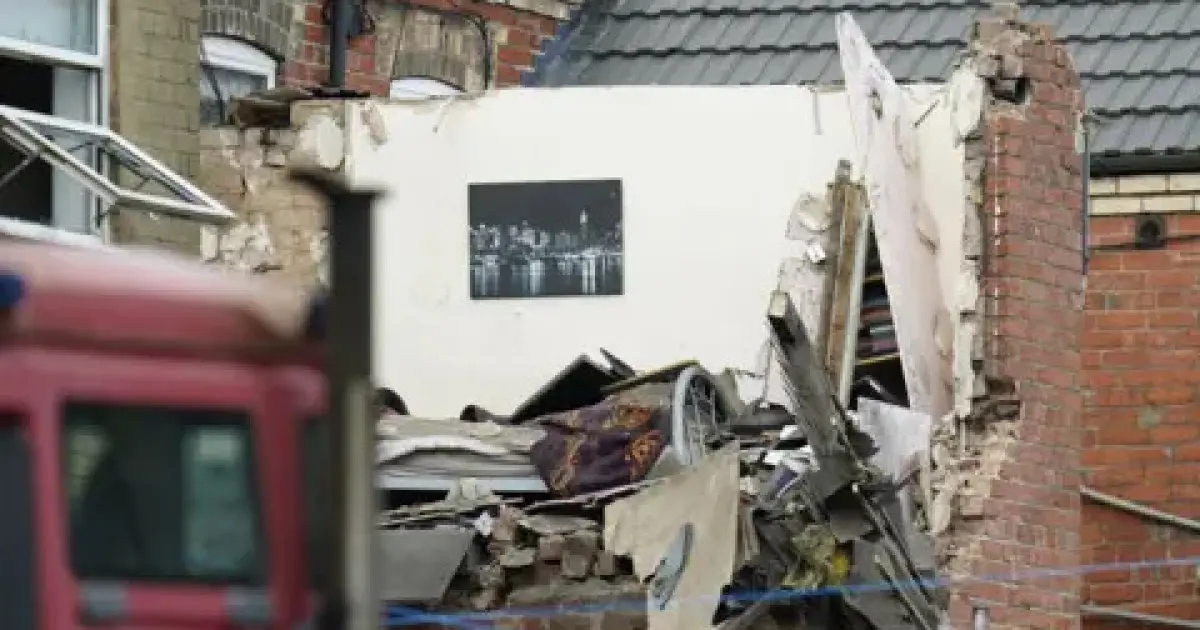
The powerful explosion that shook Redcliff overnight on 10 to 11 October 2026 has left residents dealing with damaged homes and buildings. It shows the risks that industrial sites can pose to the communities around them. The blast happened at an explosives storage facility owned by Buchwa Iron Mining Company (BIMCO). Redcliff Municipality spokesperson Michael Magoronga said early findings suggest the blast may have been caused by people trying to steal explosives. Investigations are continuing, and the full circumstances have not yet been established.
The Zimbabwe Broadcasting Corporation (ZBC) first reported that about 70 properties had been damaged. The Chronicle then put the number at more than 80 and reported that a security guard had died. By 12 October, ZBC was reporting that at least 150 houses had been affected. Shattered windows and collapsed ceilings were among the damage reported. Beyond the emergency, the blast raises big questions for homeowners, landlords, tenants, investors and councils. How exposed are properties near industrial sites? And what happens when a sudden disaster damages buildings and disrupts lives?
When An Industrial Incident Becomes A Property Crisis
For homeowners, a major explosion can turn a safe home into an urgent repair job. Broken windows, damaged ceilings, cracked walls and weak roofs can lead to more problems. Rain can get in, wiring can become dangerous and the damage can get worse. Not all damage is easy to see. Damaged roof connections or other weak points may be present but need a qualified professional to find them.
For landlords, the costs can go beyond repair bills. A damaged rental may become unsafe to live in for a while. That affects rental income and raises questions about tenant safety, temporary housing and when repairs will be done.
Owners of shops and offices face similar problems. Damage to shopfronts, offices, storerooms and other business premises can halt trading, delay deliveries and add costs while repairs are done. The Redcliff blast shows that buyers should think about how well a property can stand up to shocks. That belongs on the list next to location, price, services and resale value.
Industrial Neighbours And The Question Of Risk
Industrial sites matter to Zimbabwe’s economy. They support mining, factories, jobs and the businesses linked to them. But sites that store hazardous materials need proper safeguards, risk management and attention to what lies around them. For property buyers, that adds another thing to check when weighing up a purchase: what is the land next door used for?
A house near an industrial site is not automatically unsafe. Being close by does not, on its own, mean a property faces unacceptable risk. The level of risk depends on what the site does and what it stores. It also depends on its safety measures, how far away it is, how it is laid out and how good its emergency plans are. So buyers should look beyond how a neighbourhood looks. Find out what industrial work goes on nearby, what is planned for the area and what planning limits apply. That helps you make a better decision.
For developers and planners, the wider lesson is to check for possible dangers before homes spread around industrial areas. Safe distances between sites and homes help. So do good access for fire and rescue teams, strong site security and clear updates for people living nearby.
Damage Assessments And Why Records Matter
One of the most urgent concerns after the Redcliff blast is how affected residents will record their losses and work out what repairs they need. Army officials have also warned residents to stay away from the site, because unexploded remnants may remain until experts clear it.
For property owners hit by an incident like this, these practical steps can help:
-
Record the damage: If it is safe, take dated photos and videos of broken windows, cracks, damaged ceilings, roofs and damaged belongings.
-
Report the damage: Follow the council’s instructions. Keep any receipt or reference number you are given.
-
Get a professional assessment: If the damage could be serious, have it checked by a qualified builder or structural engineer.
-
Keep repair quotes and receipts: These can show the cost of restoring the property and support any insurance or compensation claim.
-
Check your insurance cover: Contact your insurer quickly to confirm whether the damage is covered, what proof is needed and what exclusions may apply.
Residents should also take care when checking damage themselves. Do not enter buildings that may be unstable, and do not start repairs until it is safe. Avoid touching suspicious debris or anything that may be hazardous. Reporting damage does not guarantee compensation. Any help on offer will depend on official arrangements, the law and what the investigation finds.
What Zimbabwe’s Laws Say About Safety
Zimbabwe already has laws on explosives and disaster response. The Explosives Act [Chapter 10:08] regulates the possession, storage, handling and transport of explosives. It also provides for rules on explosives magazines and for inquiries into explosions. The Civil Protection Act [Chapter 10:06] sets up a system for coordinating the response to disasters. It aims to protect communities hit by major accidents and other events that threaten public safety.
These laws give a basis for looking at both how the site was run and how the incident is handled. But the laws alone do not show whether anyone broke their duties in Redcliff. That question must be answered by the investigations. Magoronga said the matter is now with the Joint Operations Command. For the property sector, the blast shows why rules must be enforced. It also shows the value of planning for emergencies and of site owners working with the people who live nearby.
What The Incident Means For Property Investors
For investors, the explosion is a reminder that property risks go beyond purchase prices, rental yields and building costs. Risks from industry and the environment can affect how much people want a property. They can also change what it costs to maintain, how it is insured and what it is worth over time. When a major incident damages homes across several neighbourhoods, it can also create short-term doubt for buyers and tenants.
However, it is too early to say that Redcliff’s wider property market will suffer a lasting decline. That will depend on how bad the damage is, how quickly the town recovers, what safety measures follow and how much confidence residents have in the area. Investors should not make decisions based on one incident alone. They should look at the exact location and the property’s condition. They should also check what the land around it is used for and how good local services are. For developers, the blast is a reminder to assess site risks properly before building homes near industrial sites.
A Wider Lesson For Zimbabwe’s Built Environment
Zimbabwe’s towns keep growing next to mines, factories and other industries. Planning for safety will stay a key part of healthy town growth. The Redcliff blast shows how an incident at one site can affect properties well beyond its boundaries. It also shows the need for clear emergency updates, reliable damage checks and an open process that keeps residents informed.
For now, the focus is on the investigation, the damaged buildings and help for affected families. The findings should help explain what happened and point to lessons for future safety measures. For homeowners, the message is clear. Protecting your property is not only about building quality or normal wear and tear. It also means understanding the risks around you, keeping the right insurance and knowing what to do when disaster strikes.
Sources
-
Nehanda Radio. “Suspected explosives theft triggers massive blast, damages homes in Redcliff” (citing ZBC). 11 October 2026. https://nehandaradio.com/2026/10/11/suspected-explosives-theft-triggers-massive-blast-damages-homes-in-redcliff/
-
ZBC News. “One dead, 70 properties damaged in Redcliff explosion.” 11 October 2026; “Redcliff explosives magazine blast affects at least 150 houses.” 12 October 2026. https://www.zbcnews.co.zw
-
The Chronicle, via Herald Online. “Redcliff blast damages more than 80 properties, guard dies.” 11 October 2026. https://www.heraldonline.co.zw/redcliff-blast-damages-more-than-80-properties-guard-dies/
-
The Herald. “Redcliff blast kills guard, damages 80 properties.” 13 October 2026. https://www.heraldonline.co.zw/redcliff-blast-kills-guard-damages-80-properties/
-
ZimLII. Explosives Act [Chapter 10:08]. https://zimlii.org
-
ZimLII. Civil Protection Act [Chapter 10:06]. https://zimlii.org