A Healthcare Investment With Property Effects
The upgrade of Mberengwa District Hospital could matter beyond healthcare. It may shape housing demand, local business and future property development in this Midlands district.
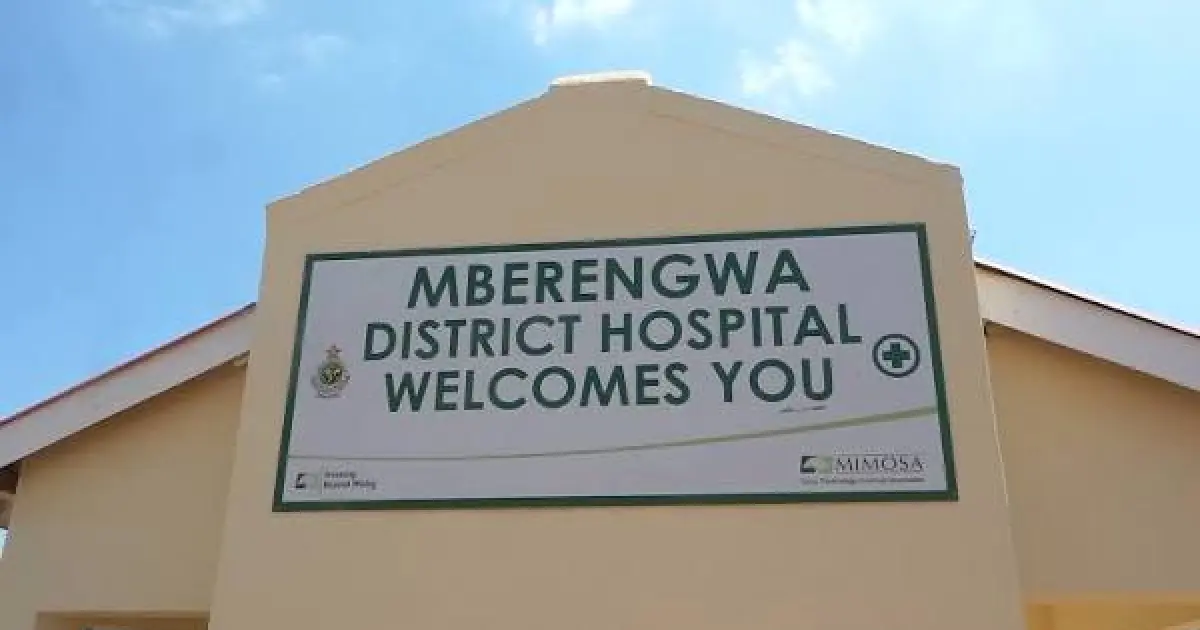
Mimosa Mining Company has rehabilitated and modernised the hospital at a cost of about US$4 million. In October 2026, Vice-President Kembo Mohadi commissioned the upgraded facility. Reports say it will bring critical medical services closer to more than 50,000 people.
For residents, it means care closer to home. For owners and investors, it raises a fair question. Could better services make Mberengwa a better place to live, work and do business?
Hospitals can affect property markets by drawing professionals, supporting local shops and lifting demand for nearby housing. But the size of any effect depends on staffing, other infrastructure and the wider local economy. For buyers, the hospital is worth watching, alongside everything else that shapes property values.
What The Upgrade Delivered
- The Herald reports that the five-year project included:
- A modern maternity wing
- A fully equipped operating theatre
- Expanded wards, with bed capacity rising from 20 to 104
- A mortuary and an upgraded admissions unit
- Improved water and electricity
The upgrade is expected to strengthen maternal and child care and emergency treatment. It should also reduce the need for patients to travel to Zvishavane or Gweru for diagnostic and specialist care. The hospital also supports a wider network of rural health centres and mission hospitals across the district.
It is not the only health project in the area. In July 2025, Government also commissioned Mataga Mini Hospital at Mataga Growth Point in Mberengwa District.
Could The Upgrade Increase Housing Demand?
The most direct link between a hospital and the property market is jobs. A bigger, better-equipped hospital may need more nurses, doctors, lab staff, administrators and support workers. Some may move to the district. Others may look for better housing.
That could create openings for landlords with rentals near the hospital. Demand could cover simple family homes, secure rental units and housing for professionals.
But more jobs do not automatically mean higher rents. It depends on how many staff are actually hired, where they live, what housing already exists and what people can afford.
Being close to the hospital is not enough. A well-kept home with steady water, power, security and road access will often win. Propertybook encourages investors to do their homework. Before building rentals, check existing supply, current local rents and how many new staff are likely to need housing.
Business Opportunities Around The Hospital
Hospitals bring patients, relatives, staff and suppliers. Where demand supports it, that can mean openings for small businesses and commercial property:
- Pharmacies and medical supply shops, with the right licences
- Grocery and convenience stores for staff and visitors
- Food outlets and everyday retail
- Guesthouses for relatives who need to stay near patients
- Transport services linking the hospital to nearby settlements
The opportunity is not just to buy land near the hospital. It is to find a spot where access, visibility, permitted use and enough customers come together. A stand on a busy road may look good. But water, power, roads, security and local spending power matter just as much. Also confirm that the property is legally allowed for your planned business.
Will Better Infrastructure Raise Values?
A hospital rarely lifts property values alone. Roads, water, power, mobile networks and waste collection all decide whether an area can grow. If the upgrade is followed by better roads and services, some locations could become more attractive.
But there is no basis for assuming every property near the hospital will rise in value. Prices also depend on tenure, demand, services, the local economy and how much competing property is on the market. Buy for clear paperwork and practical advantages, not for hoped-for price growth.
What To Check Before Investing
The hospital is a reason to look more closely at Mberengwa. It is not a reason to skip the usual checks.
- Verify ownership and tenure. Check the title deed, allocation papers or other legal tenure documents. Get advice from a registered conveyancer where needed. Do not rely on verbal promises that a stand will "soon" be approved.
- Confirm zoning and permitted use. A stand for a home may not be approved for a pharmacy, guesthouse, clinic or shop. Ask Mberengwa Rural District Council or the planning authority about zoning and the approvals you need.
- Check water and electricity. Find out whether authorised water connections and power reach the site, and what reliable supply would cost. If you plan a borehole, get expert advice on groundwater, water quality and drilling.
- Check road access. A property near the hospital may still be hard to reach if the roads are poor. Inspect the route and confirm any planned road or drainage works with the authorities. Do not pay extra for promised infrastructure.
- Check other planned projects. Separate what has been announced from what is funded, under way or finished. Official statements, budgets and construction updates help you decide whether to buy now, build in phases or wait.
What This Means For Diaspora Investors
For Zimbabweans abroad, district centres such as Mberengwa may offer a way into markets beyond the big cities. But diaspora investment needs extra care with land papers, building supervision, utility connections and the people managing the project locally.
Anyone planning a retirement home, rental or small business should first confirm there is real demand. A house for a family moving to Mberengwa needs different things from housing for hospital staff or visitors. A shop needs a different location and layout from a home.
Compare the full cost of land, servicing, building and upkeep with realistic rent or resale value. Where possible, use independent valuations and inspections to avoid overpaying based on hoped-for demand.
The Bottom Line
The Mberengwa District Hospital upgrade shows how public services and property are linked. Better healthcare could lift demand for some homes and businesses nearby. That works best if it comes with reliable utilities, good roads and suitable housing. But the size of that opportunity depends on staffing, wider investment and the district's economy.
For Propertybook readers, the lesson is to look beyond the hospital itself. The best openings will depend on one thing. Do better services lead to lasting demand, better roads and power, and good conditions for residents and businesses? For homeowners, developers and diaspora buyers, Mberengwa is a market to study carefully, guided by verified information and proper due diligence.
Sources
- The Herald / Chronicle – US$4 million hospital upgrade transforms Mberengwa healthcare, October 2026. https://www.heraldonline.co.zw/us4-million-hospital-upgrade-transforms-mberengwa-healthcare/
- The Herald – US$4,1m healthcare boost for Mberengwa, October 2026. https://www.heraldonline.co.zw/us41m-healthcare-boost-for-mberengwa/
- The Herald / Chronicle – VP Mohadi commissions US$4m Mberengwa hospital upgrade, October 2026. https://www.heraldonline.co.zw/vp-mohadi-commissions-us4m-mberengwa-hospital-upgrade/
- ZBC News – Mberengwa hospital upgrade to ease long journeys for specialised healthcare, 12 October 2026. zbcnews.co.zw
- The Herald – Mataga Mini Hospital set to be commissioned today as Government expands rural healthcare, July 2025. https://www.heraldonline.co.zw/mataga-mini-hospital-set-to-be-commissioned-today-as-government-expands-rural-healthcare/