For years, a home's value was judged mostly by its location, size, finishes and security. Today, Zimbabwe's market is also asking another question: does the house keep working when public services fail?
Solar power, boreholes, water storage and good internet were once seen as luxuries. Now they are becoming basic needs for buyers who want a home that works through power cuts, water cuts and remote work. Propertybook's 2026 house price outlook points to this shift. It notes that homes with solar systems and boreholes hold their value better, and that homes with solar, boreholes and gas cooking command higher prices and rent faster.
Power Security Is Now A Property Feature
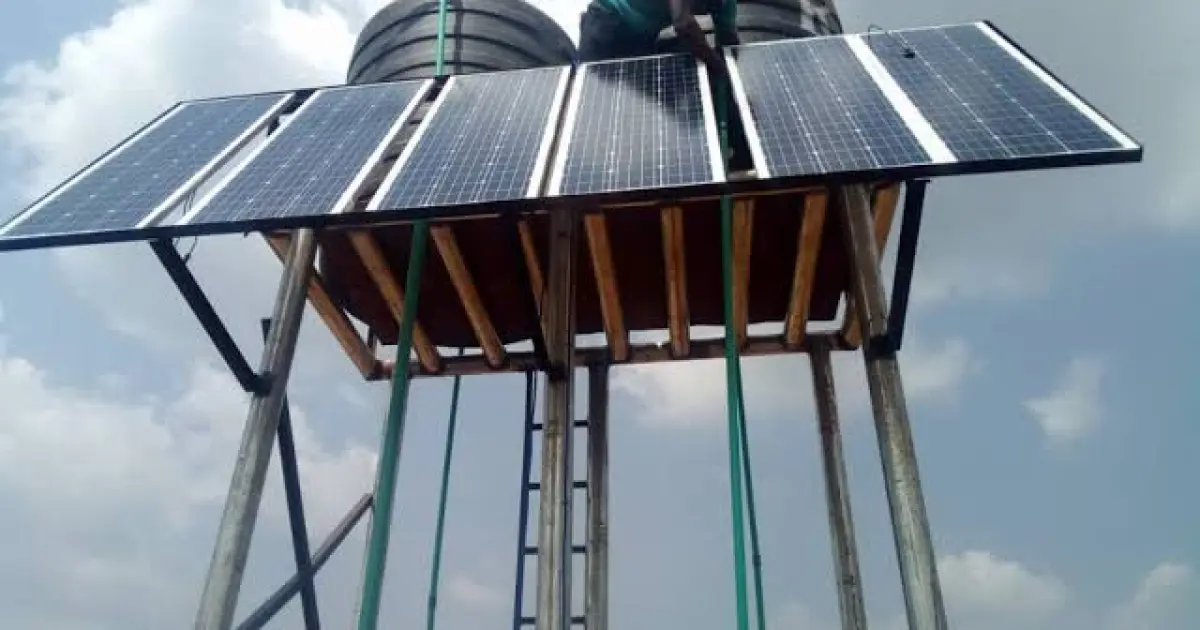
Unreliable electricity is one of the strongest reasons to invest in a self-sufficient home. Backup power has become a key feature for homeowners. A well-designed solar system can keep lights, security, pumps, internet and fridges running during outages. For a buyer, these are not just conveniences. They protect work and daily routines.
Policy is also moving this way. Zimbabwe's National Renewable Energy Policy supports renewable energy and provides for net metering. The Zimbabwe Energy Regulatory Authority (ZERA) has confirmed that households can install solar and, under the right arrangements, sell surplus power to the grid.
For buyers, there is a big difference between having solar panels and having a working backup system. Judge an installation by its capacity, batteries, inverter, build quality, service history and the appliances it can really run.
Water Independence Can Protect Value
If electricity is about keeping going, water is about basic living. Afrobarometer found that six in 10 Zimbabweans (60 percent) said their household went without clean water at least once in the previous year. It also found that boreholes and tubewells are the most common main water source, cited by 54 percent of respondents.
That helps explain why a working borehole makes such a difference. The value is not the borehole itself. It is the reliability it provides.
A strong water system might include:
- A working borehole
- Enough storage tanks
- A reliable pump
- Filtration where needed
- Backup power for the pump
- Proper household plumbing
- Rainwater harvesting where practical
The more complete the system, the more useful the home is during council water cuts. This matters most for big homes, clusters and properties with gardens or pools, where water use is high.
Fibre Has Become Infrastructure
The third pillar is connectivity. A decade ago, internet rarely came up at a viewing. Today it can decide whether a house works for a remote worker, a student or a family running a business online.
Government's National Development Strategy 2 (2026–2030) includes plans to extend high-speed fibre networks to urban, peri-urban and rural areas. Fibre is still growing even as new options arrive. POTRAZ data shows active fibre connections rose from 79,462 in the third quarter of 2024 to 86,505 in the first quarter of 2026. Over the same period, satellite internet, mostly Starlink, grew to 86,488, while fixed LTE reached 156,667.
For owners, this means connectivity now shapes a home's appeal. A house with active fibre, good cabling and strong Wi-Fi can beat a similar house where internet is hard to install.
The Three Utilities Work Better Together
The real change comes when solar, water and internet are combined. Picture a four-bedroom home in Harare with:
- Solar panels and batteries
- A productive borehole
- Large water tanks
- Fibre internet
- Automated security
- Backup power for the borehole pump
- Good mobile coverage
Each feature helps. Together, they do much more. During a power cut, solar keeps the lights and internet on. The same system runs the pump. The borehole and tanks supply water. Fibre keeps the family connected. The home depends far less on outside systems. That is the heart of a self-sufficient home.
Buyers Are Starting To Pay For Reliability
This does not mean every solar house deserves a big premium. But utilities shape what buyers prefer, how fast homes rent, how much room there is to negotiate and how well a home competes at resale.
Sellers know this. Many listings now lead with these features. One Mount Pleasant home on the market, for example, advertises an 8kVA solar system with 24 panels, an 83-metre borehole, 22,000 litres of underground rainwater storage, filtered water tanks and fibre. A listing alone does not prove how much value a feature adds. But it shows how resilience is now part of the sales pitch.
Self-Sufficient Does Not Mean Off-Grid
Do not take the trend too literally. A self-sufficient home does not have to cut ties with council services. It can stay on ZESA and use solar as backup. It can keep council water and use a borehole as a top-up. It can have fibre with mobile data or satellite as a spare. In most cases, resilience is a more realistic goal than full independence. Going fully off-grid can cost a lot upfront and needs ongoing upkeep.
Quality Matters More Than The Checklist
A borehole on a listing does not make a home water-secure. Ask about the yield, age, pump condition and service history. Ask whether the water has been tested. The same goes for solar. If a seller says "solar power", ask:
- How many panels are there?
- What is the inverter capacity?
- What is the battery capacity, and how old are the batteries?
- Which appliances can it run?
- Was it installed professionally?
- Are warranties and service records available?
For fibre, check whether the line is already active or only available in the area. These details can change the real value a lot.
Developers Are Building Around Utilities
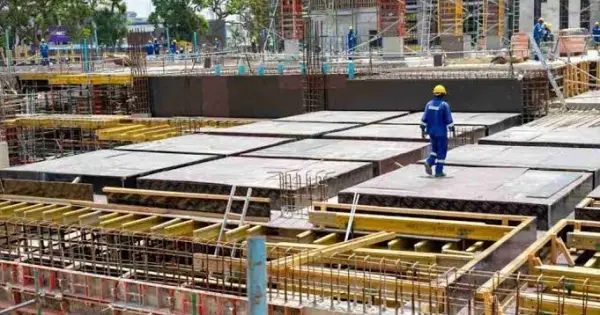
The trend shows in new developments too. The Infrastructure Development Bank of Zimbabwe (IDBZ) treats housing infrastructure as more than the house. It includes water, sanitation, electricity, ICT and roads. A house is not truly usable if residents cannot reliably get those services.
As new suburbs spread into areas where council services lag, developers have good reason to provide some services privately or through shared systems. This is common in clusters and gated estates, where one borehole, solar plant or fibre network can serve many homes.
What This Means For Investors
Utilities affect more than resale value. They affect rental demand. A remote worker may put power and internet first. A family may pay more for steady water. A small business owner may value backup power. So two houses with the same bedrooms, size and location may not be equally attractive.
The home with reliable utilities may win the better tenant. But count the cost of installing and running these systems against the extra rent or resale value. Do not assume every upgrade pays for itself.
The New Definition Of A Premium Home
Zimbabwe's idea of a premium home has focused on location, stand size, design, finishes and security. Those still matter. But the premium home of the future may also be defined by something less visible: how reliably it works. A beautiful house that loses power, water and internet whenever public systems fail can be less useful than a plainer home with good backup.
This matters more as remote work, online businesses and smart security spread. The home is now both a living space and a working space.
What Buyers Should Check
Before paying extra for a "self-sufficient" home, do a utility check alongside the usual structural and legal checks. Ask:
- Power: What is the solar system's real capacity and condition?
- Water: What is the borehole yield, and how much storage is there?
- Internet: Is fibre connected, or just available nearby?
- Backup: Can the solar run the borehole pump and security?
- Maintenance: Are service records and warranties available?
- Quality: Were the systems professionally designed and installed?
- Running costs: What will batteries, pumps and filters cost to maintain or replace?
The Long-Term Value
Property values depend on supply, demand, location, the economy and what buyers want. No single feature guarantees growth. But the direction is clear. Unreliable services have made steady power and water more valuable, and policy is pushing renewable energy and wider connectivity.
Propertybook's 2026 outlook expects house prices to grow modestly, by about 2 to 3 percent, rather than boom. In that kind of market, homes with real practical advantages may stand out. For buyers, that means fewer daily disruptions. For landlords, a stronger rental offer. For sellers, a reason to stand out. For developers, it may soon be a requirement rather than a luxury. The self-sufficient home is not the house that produces everything it uses. It is the house that keeps working when the systems around it do not.
Sources
- Propertybook – Our 2026 Zimbabwe House Price Predictions, 18 December 2025. https://www.propertybook.co.zw/blog/our-2026-zimbabwe-house-price-predictions
- Afrobarometer – AD1201: Majority of Zimbabweans pan government performance on water and sanitation services. https://www.afrobarometer.org/publication/ad1201-majority-of-zimbabweans-pan-government-performance-on-water-and-sanitation-services/
- Space in Africa – Starlink closes in on fibre as Zimbabwe's VSAT subscriptions hit record 86,488 (POTRAZ data), 31 August 2026. https://spaceinafrica.com/2026/08/31/starlink-closes-in-on-fibre-as-zimbabwes-vsat-subscriptions-hit-record-86488/
- TechTrends KE – Starlink Zimbabwe subscribers vs fibre (POTRAZ data), 31 August 2026. https://techtrendske.co.ke/2026/08/31/starlink-zimbabwe-subscribers-fibre/
- We Are Tech Africa – Zimbabwe plans third national satellite to expand internet access (NDS2), January 2026. https://www.wearetech.africa/en/fils-uk/news/telecom/zimbabwe-plans-third-national-satellite-to-expand-internet-access
- Pam Golding Properties – House for sale in Mount Pleasant, Zimbabwe (3ZB1726595). https://www.pamgolding.co.za/property-details/house-for-sale-mount-pleasant-zimbabwe/3zb1726595
- Zimbabwe Energy Regulatory Authority (ZERA). zera.co.zw
- Infrastructure Development Bank of Zimbabwe – Housing. idbz.co.zw