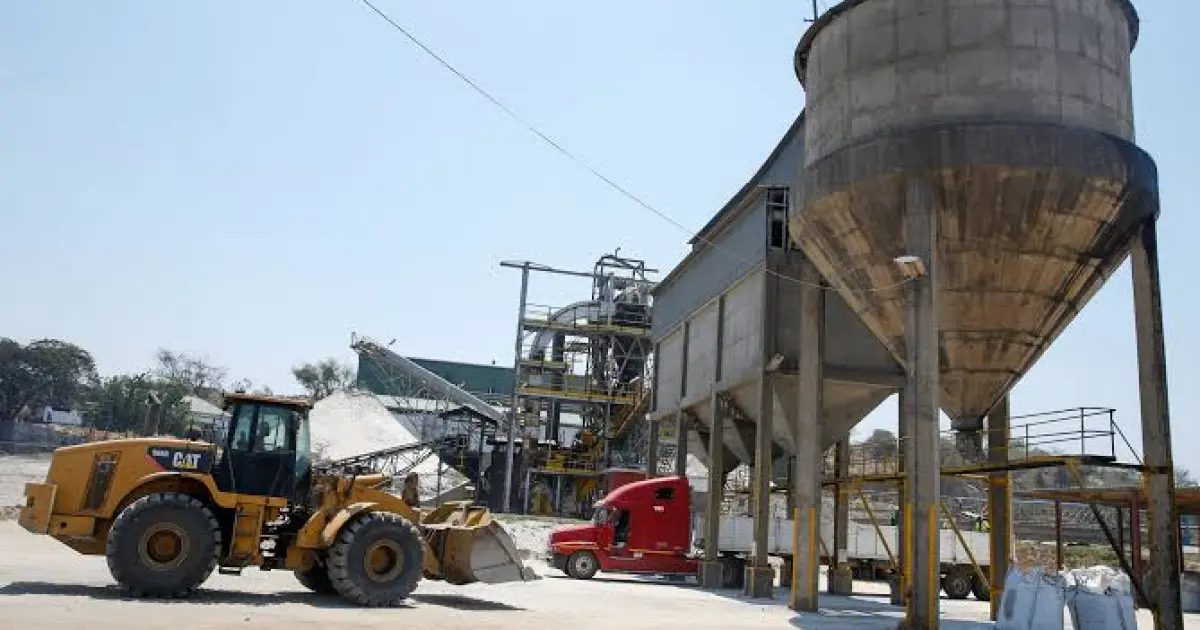
Zimbabwe is pushing mining companies to take more responsibility for the roads, railways and community services their operations depend on. That could matter a lot for property in mining towns and along key transport routes.
The reasoning is simple. Mining earns export money and attracts investment. But the towns that host mines also need good roads, water, power, housing, schools and clinics. For buyers, landlords and developers, better transport and services can make a town more practical for workers, businesses and families. The benefits, though, depend on where infrastructure is built, whether it is maintained and whether local people can use it.
Why Miners Are Being Asked To Invest
Mining depends on roads and rail to move machinery, fuel, materials and minerals to plants and ports. Heavy trucks wear roads down fast, especially where they share them with buses, farm traffic and commuters.
In June 2026, the Zimbabwe National Road Administration (ZINARA) spoke at the Chamber of Mines conference in Victoria Falls. It called on mining companies to become co-investors in roads. It argued that mining traffic "consumes" roads faster than they are funded. ZINARA proposed a partnership between Government, itself and the mining sector. Ideas included ring-fenced levies, Build-Operate-Transfer deals for mining corridors and direct investment by miners in key routes.
ZINARA repeated the call at Mine Entra 2026 in Bulawayo, adding that more bulk freight should move by rail to reduce damage to roads.
This matters for property. Roads, water, power, housing, schools and clinics decide whether mining towns become real towns or stay places with few options for workers.
Roads And Rail Could Shape Mining-Town Growth
The National Railways of Zimbabwe (NRZ) has struggled for years with underinvestment. Reuters reports that NRZ freight fell from a peak of about 12 million tonnes in the 1990s to about 2 million tonnes in 2025.
There are signs of a push to revive it. NRZ is negotiating a US$115 million facility with Afreximbank to buy locomotives and wagons and repair key lines. In July 2026, NRZ said it had started moving lithium concentrate to Maputo port by rail with private partners. That gives miners a cheaper option than trucks.
Better transport can improve access to jobs, suppliers, markets and services. It can also make some places more attractive for industry and support businesses. Corridors are worth watching. But do not assume every property along a planned route will rise in value. The effect depends on the specific project, its location, traffic and whether water, power and other services are available.
Local Processing Could Lift Demand For Housing And Services
Zimbabwe also wants more of its minerals processed at home. Government plans to ban lithium concentrate exports from January 2027. In June 2026, Reuters reported that lithium producers asked for more time, saying the deadline was tight. In July, the mines minister said the January 2027 deadline still stands.
Processing plants need big investment, reliable power, water, transport and workers. Only one lithium sulphate plant, at Arcadia in Goromonzi, was running by mid-2026. Others, including at Bikita and Kamativi, were still being built.
If new plants open, some mining areas could see demand for housing, warehouses, workshops, shops and services. How big and how long that demand is depends on several things. These include jobs created, the use of contractors, plant locations and whether employers house their own staff.
Do not confuse this with a guaranteed boom. Construction crews bring short-term demand. Permanent plants may employ fewer people than expected, or house them on company land. Developers should check actual hiring plans and infrastructure commitments before investing.
Host Communities Want More Than Mineral Revenue
Who benefits from mining is still a big question. In June 2026, Al Jazeera looked at the uneven benefits of Zimbabwe's lithium boom. Local voices said towns around Bikita Minerals, Prospect Lithium in Goromonzi and Sabi Star were seeing little benefit. The report also included company statements on their own investment plans.
This matters for property. A mining town can attract investment and still struggle with poor water, bad roads, crowded housing and weak clinics and schools. Those gaps hold back housing, raise maintenance costs and make it harder to attract tenants who have other choices. Mines, councils and towns all share an interest in infrastructure that supports both production and daily life.
Housing Is Part Of The Mining Debate
Housing matters most where new projects bring workers into areas with little housing. Company-built housing can improve living conditions and ease pressure on local rents. But it can also compete with private landlords if staff live in mine estates or camps.
Where companies rely on local rentals and supply is tight, landlords may find tenants among staff and contractors. That demand lasts only if rents match local incomes and the project offers stable jobs.
Developers must also make sure new housing has roads, water, sanitation, power and waste collection. Building without them leaves residents with costly, inconvenient homes. The Infrastructure Development Bank of Zimbabwe treats roads, water and sewer and electricity as core parts of housing infrastructure. In mining towns, serviced land is often more useful than land that is simply close to a mine.
What It Means For Property Investors
- Landlords: Find out whether the mine or plant houses its own staff before buying nearby rentals. Ask about hiring plans, contractor numbers, start dates and how long demand will last. A large construction crew does not mean a permanent rental market.
- Developers: Follow confirmed road, rail, power and water projects. Check legal access, secure tenure and realistic servicing costs. Being near a mine is not proof of demand.
- Commercial investors: Mines and plants may need warehouses, workshops, offices, truck yards and shops. Check whether suppliers will be sourced locally and whether the operator has a long-term buying plan.
- Diaspora buyers: Do title and planning checks before buying land near a mine or planned corridor. Ask council about approved plans, mining claims and any planned relocation. Get independent legal advice and confirm boundaries and access before paying a deposit.
- Homeowners: Better roads and services may improve a suburb. Judge their effect on prices and rents from real local sales, not announcements.
The Risks Investors Should Not Ignore
Mining-linked property carries different risks from established suburbs. Commodity prices, rule changes, delays and production stoppages can hit jobs and business. A delayed or downsized project can leave landlords with empty units and developers with unsold stock.
There are environmental and social risks too. Land acquisition, relocation disputes, dust, heavy trucks and pressure on water can affect residents and the appeal of certain areas. Weigh both the benefits and the costs. Infrastructure supports lasting demand best when it is finished, maintained, open to residents and backed by a working local economy.
Final Word: Delivery Will Decide The Impact
Zimbabwe's push for miners to help fund roads, rail and community infrastructure could shape how mining towns grow. For property, the real question is not how much mining investment is announced. It is whether it produces reliable transport, serviced land, decent housing and better access to services.
If proposals become enforceable commitments and finished projects, some mining towns could become better places to live and do business. If delivery falls short, rising output may sit alongside lasting infrastructure gaps. For now, treat the policy shift as something to watch, not a signal to speculate. Confirmed projects, real demand, secure tenure and working services are stronger foundations than being close to mineral wealth.
Sources
- The Herald – Zinara calls on miners to co-invest in roads, June 2026. https://www.heraldonline.co.zw/zinara-calls-on-miners-to-co-invest-in-roads/
- CITE – ZINARA urges mining firms to help fund roads as freight traffic overwhelms network, 2026. https://cite.org.zw/zinara-urges-mining-firms-to-help-fund-roads-as-freight-traffic-overwhelms-network/
- Reuters via Engineering News – Zimbabwe seeks $115m Afreximbank loan for state rail operator, 17 September 2026. https://www.engineeringnews.co.za/article/zimbabwe-seeks-115mafreximbank-loan-for-state-rail-operator-2026-09-17
- Reuters via Mining Weekly – Zimbabwe lithium miners ask for more time to build processing plants, 19 June 2026. https://www.miningweekly.com/article/zimbabwe-lithium-miners-ask-for-more-time-to-build-processing-plants-2026-06-19
- Reuters via Mining Weekly – Zimbabwe's sole lithium salt plant unable to process third-party metal, official says, 17 July 2026. https://www.miningweekly.com/article/zimbabwes-sole-lithium-salt-plant-unable-to-process-third-party-metal-official-says-2026-07-17
- Al Jazeera – Who benefits from Zimbabwe's lithium boom?, 18 June 2026. https://www.aljazeera.com/news/2026/6/18/who-benefits-from-zimbabwes-lithium-boom
- Infrastructure Development Bank of Zimbabwe – Priority sectors. idbz.co.zw